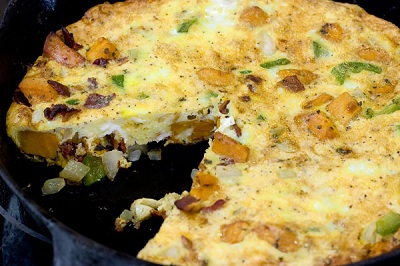
Spanish Omelette (Tortilla)
Spain's national omelette: thinly sliced potato and onion poached gently in olive oil.
Overview
This classic Spanish omelette is a rustic, hearty dish featuring tender potatoes, caramelized onions, peppers, tomatoes, and spiced chorizo bound together with fluffy beaten eggs. The omelette is cooked slowly and gently, allowing the ingredients to meld while maintaining a creamy centre with a lightly golden exterior. Tortilla española is equally delicious served warm, at room temperature, or cold, making it versatile for any meal of the day.
Serves: 2 Prep Time: 15 minutes Cook Time: 40 minutes
Ingredients
Potatoes & Aromatics
- 250 grams baby new potatoes (diced into 5mm cubes)
- 1 onion (medium, finely diced)
- 1 green bell pepper (de-seeded and finely diced)
- 2 tomatoes (medium, peeled, de-seeded, and diced)
- 1 garlic clove (peeled, de-germed, and finely chopped)
- 1 Bouquet Garni
Protein
- 1 chorizo sausage (finely diced)
Eggs & Oil
- 6 eggs (large)
- 2 tablespoons olive oil
- 1 tablespoon butter
- salt
- pepper
Method
Stage 1 - Prepare Ingredients
- Peel and dice the potatoes into small 5mm cubes.
- Peel and finely dice the onion.
- Remove the skin, pith, and seeds from the green pepper and finely dice.
- Peel and de-seed the tomatoes; dice the remaining flesh.
- Peel and de-germ the garlic; finely chop.
- Finely dice the chorizo sausage.
Stage 2 - Cook Potatoes & Vegetables
- Heat 1 tablespoon of olive oil in a large saucepan over medium heat.
- Add the diced onion, diced chorizo, and diced potato.
- Cook gently for 15-20 minutes, stirring occasionally with a wooden spoon, until the potatoes are tender and beginning to soften.
- Add the diced peppers, garlic, and bouquet garni with a pinch of salt and pepper.
- Continue cooking for a further 5 minutes.
- Remove from heat and discard the bouquet garni.
- Fold in the diced tomatoes.
- Set aside to cool slightly (approximately 5 minutes).
Stage 3 - Prepare Eggs
- Crack the 6 eggs into a mixing bowl.
- Add a pinch of salt and freshly ground black pepper.
- Beat firmly with a whisk until the mixture is foamy and well combined.
Stage 4 - Heat the Pan
- Heat the remaining 1 tablespoon of olive oil in a large non-stick frying pan over medium heat.
- Add 1 tablespoon of butter.
- When the butter foams (but before it browns), the pan is ready.
Stage 5 - Combine Eggs & Vegetables
- Pour the beaten eggs into the hot pan.
- Add the cooled potato, vegetable, and chorizo mixture to the eggs.
- Stir gently with a wooden spatula for 1-2 minutes, allowing the eggs to begin to coagulate while incorporating the vegetables evenly.
Stage 6 - Cook the Omelette Low & Slow
- Reduce the heat to low.
- Using a wooden spatula, continuously scrape the cooked eggs from the bottom and sides of the pan, pulling them toward the centre.
- Use the corner of the spatula to prick small holes in the partially cooked eggs, this allows uncooked egg to flow to the bottom.
- Spin the frying pan regularly for even heat distribution.
- Repeat the scraping and hole-pricking process every 30 seconds or so.
- Cook for 5-7 minutes total until the omelette is mostly set but still has a slight wobble in the centre (for a creamy texture).
- If you prefer a firmer omelette, cook for an additional 2-3 minutes.
Stage 7 - Finish & Serve
- Turn off the heat.
- Add a knob of butter to the pan and allow it to melt all around the omelette, this prevents sticking and adds richness.
- Let rest for 1 minute off heat.
- Slide onto a warm serving plate.
- Cut into wedges and serve immediately, or allow to cool to room temperature.
Notes
- Potato texture: Dicing potatoes into small 5mm cubes ensures even cooking and allows them to soften while remaining identifiable.
- Low heat essential: Cooking at low temperature prevents the exterior from browning too quickly before the interior cooks. This creates a creamy centre.
- Scraping technique: Constantly pulling cooked egg toward the centre redistributes heat and creates a tender texture rather than a solid pancake.
- Butter finish: The final knob of butter melted around the edges prevents sticking and adds silky richness.
- Chorizo fat: The chorizo releases flavourful oils that season the entire omelette, don't drain them off.
- Versatility: Tortilla is traditionally served warm, but equally delicious at room temperature or cold.
Variations
With mushrooms: Replace tomatoes with 150g sautéed mushrooms (buttons or wild) for earthier flavour Seafood version: Replace chorizo with 100g diced smoked salmon or cooked prawns for a delicate alternative Extra spicy: Add sliced fresh chillies alongside the peppers or use spicy chorizo Peppers only: Use 2 red and 1 yellow bell pepper instead of mixed vegetables for sweetness Potato & onion only: Make a traditional tortilla española by omitting peppers, tomatoes, and chorizo; increase onions to 3 large
Serving
Serve warm, at room temperature, or cold with: Crusty bread, a simple green salad, or Spanish olives. Pairs beautifully with Spanish wine or fresh sangria.
Storage
- Keeps 3 days refrigerated in an airtight container
- Serve cold straight from the refrigerator or reheat gently in a 160°C oven for 10 minutes
- Freezes well up to 1 month (wrap tightly in plastic wrap and foil; thaw overnight in refrigerator before reheating)
- Equally delicious at any temperature
More like this
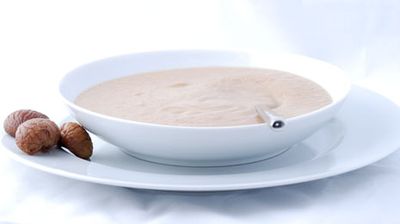
Chestnut and Chorizo Soup
A hearty Spanish soup featuring sweet chestnuts paired with spicy chorizo sausage, caramelized vegetables, and warming spices. The saffron adds a subtle earthiness, creating a comforting autumnal dish with rich, smoky flavors.

Croquetas de Jamón
A thick béchamel, three times the flour-to-milk ratio of standard béchamel, is studded with chopped jamón serrano, chilled until firm enough to shape, rolled into ovals, breaded with flour-egg-panko, and deep-fried at 180°C until deep golden. Eat hot.

Andouille Skewers
A Cajun cookout skewer, the kind of thing that comes off the grill at a Louisiana backyard barbecue while the gumbo is finishing on the back burner. You take andouille (the heavily smoked, garlicky Cajun pork sausage) and cut it into thick coins, then thread them onto pre-soaked wooden skewers (or metal) with chunks of red and green pepper, red onion, and a few halved cherry tomatoes. Brush with a quick Cajun glaze of melted butter, garlic, brown sugar, hot sauce and Cajun seasoning. Onto a hot grill over high heat for just long enough to char the vegetables and bring the sausage shiny and sticky. Eaten straight off the skewer with a beer in the other hand, the smoke still hanging in the air.
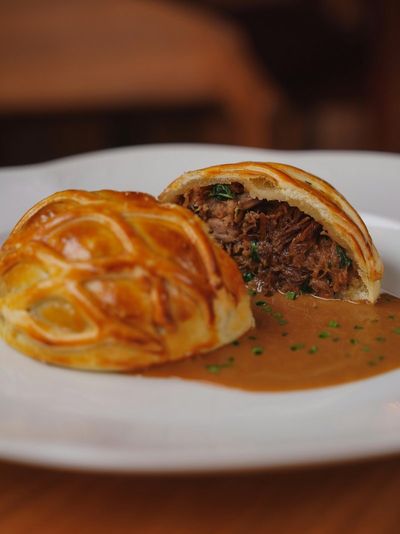
Beef Wellington
The defining British dinner-party showpiece, somewhere between French haute cuisine and English roast tradition, made famous in the modern era by Gordon Ramsay even if the Iron Duke himself probably never ate it. You sear a centre-cut beef fillet hard for colour, smear it with English mustard, wrap it in a tight blanket of mushroom duxelles and prosciutto, then encase the lot in all-butter puff pastry and roast at high heat. The pastry insulates the beef so it cooks gently to medium-rare while the crust crisps to deep mahogany above. The one technical trick the recipe insists on is drying the duxelles thoroughly so the pastry stays crisp underneath rather than going soggy from leaking mushroom water. Sliced at the table into thick rosy rounds, with a red-wine jus and roasted root vegetables on the side, the kind of plate that makes the evening feel like a special occasion before anyone says it.