Bissara
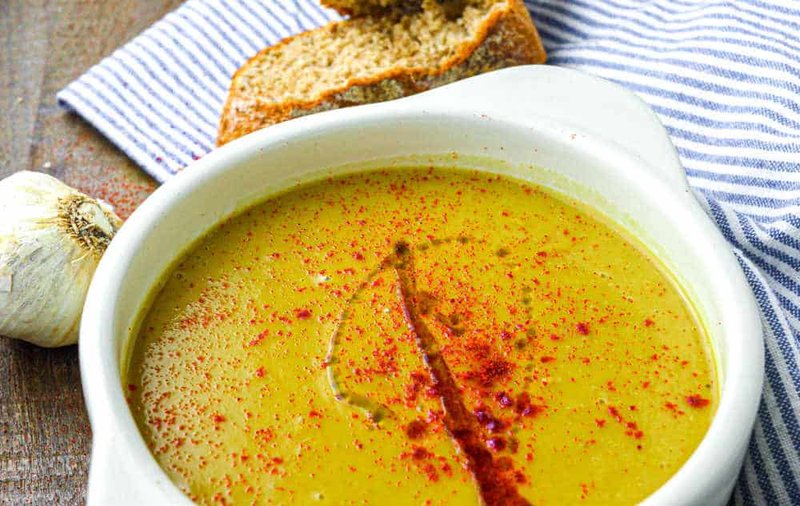
Northern Moroccan dried fava bean soup: cooked down to a thick, smooth, almost porridge-like texture, served with a deep slick of olive oil, cumin and chilli on top. Street-food breakfast in Chefchaouen and Fez; eaten with bread for dipping.
Overview
Skinned dried fava beans (or split peas as a substitute) simmer with garlic, cumin and a small amount of paprika until they completely break down. The soup is blended smooth, thinned to taste, and served with each bowl getting a generous topping of olive oil, ground cumin, paprika and chilli flakes. Bread is essential.
Ingredients
Soup
- 350 g dried split fava beans (skinned; soaked overnight) or yellow split peas
- 1 ½ litres water
- 6 garlic cloves (crushed)
- 1 tablespoon ground cumin
- 1 teaspoon sweet paprika
- 1 teaspoon salt
- 4 tablespoons olive oil
- 1 lemon (juice)
To finish (per bowl)
- Extra-virgin olive oil
- A pinch of ground cumin
- A pinch of paprika
- Chilli flakes (optional)
- Crusty bread
Method
Stage 1 - Cook the beans
- Drain the soaked beans.
- Place in a heavy pan with the water, garlic, cumin, paprika and salt.
- Bring to the boil; reduce to a simmer; cover loosely.
- Cook 50-60 minutes until the beans have completely fallen apart (or longer for older beans). Top up with water if it threatens to dry out.
Stage 2 - Blend
- Blend the soup smooth with a stick blender (or in batches in a jug blender).
- The soup should be thick - porridge-like - but pourable. Add hot water to thin to your preferred consistency.
Stage 3 - Season
- Stir in the olive oil and lemon juice.
- Taste; adjust salt, cumin and lemon.
Stage 4 - Serve
- Ladle into wide bowls.
- Top each with a deep slick of olive oil, a pinch of cumin, a pinch of paprika and chilli flakes if using.
- Serve with warm bread for dipping.
Notes
- Skinned fava beans: "Split fava beans" or "split broad beans" - sold dried at North African and Middle Eastern grocers. Whole favas need their tough skins removed; not worth the effort here.
- Yellow split peas as substitute: Give a milder, paler bissara - still good but not authentic.
- Olive oil at the end: Drizzle generously. The oil is the second main ingredient in flavour terms.
Storage
- Keeps 4 days refrigerated; thickens to almost solid in the fridge - loosen with hot water on reheat.
- Freezes 3 months.
More like this
Foul Saudi
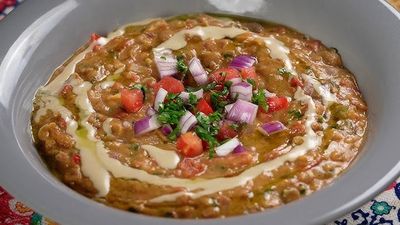
The Saudi take on foul medames, somewhere between the Egyptian original and the Yemeni daal-like versions. You soak dried fava beans overnight, then simmer them with a chickpea or two and a garlic clove for six hours low and slow (or pressure-cook for forty-five minutes if you don't have the day) until they're so soft they fall apart at a glance. Once drained, the beans go back into a hot pan with olive oil and garlic, cumin and a hit of chilli; you crush them roughly with a fork (chunky, not smooth) and finish with lemon and a handful of chopped parsley. Eaten warm for breakfast across the Gulf, scooped with flatbread, with a side of pickles or salata hara, and a glass of mint tea.
Ful Medames
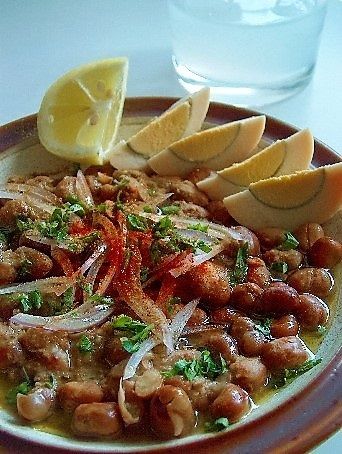
Whole dried fava beans soak overnight, then simmer slowly until the skins soften and the beans are completely tender, they'll break down on the edges, stay whole at the heart. Garlic, lemon, cumin and salt mash through; a generous pour of olive oil at the end. Tomato, onion, parsley and a hard-boiled egg or two on top.
Moroccan Carrot Salad
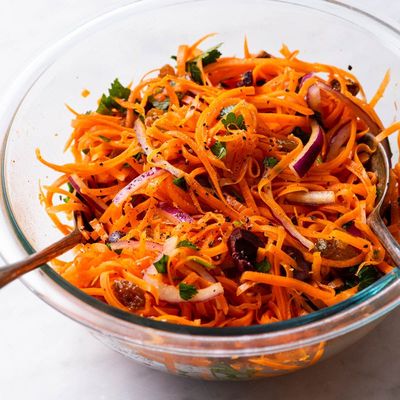
Carrots are sliced into rounds (or batons), boiled in salted water 8-10 minutes until just tender (still with a slight bite). Drained and tipped warm into a bowl with a dressing of cumin, paprika, crushed garlic, lemon juice, olive oil and a tiny pinch of cinnamon. Tossed and left to cool. Coriander, parsley and a final drizzle of olive oil at serving.
Msabaha
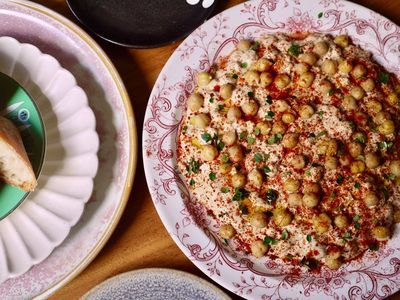
Dried chickpeas soak overnight with a pinch of bicarbonate of soda. The next morning, they simmer in fresh water with garlic, cumin and bay until very soft (about 1 hour, longer if the chickpeas are old). Some chickpeas (about a third) blitz with garlic, lemon juice, tahini and ice water into a smooth purée. The remaining whole chickpeas keep warm in their cooking liquid. To plate: smooth purée on the bottom of the bowl, hot whole chickpeas piled in the centre, more tahini-lemon-garlic sauce poured over, drizzle of olive oil, sprinkle of cumin, scatter of parsley. Eaten with hot bread.