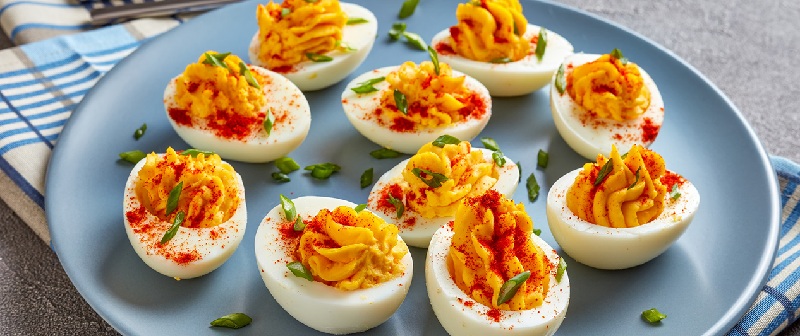
Töltött Tojás
Hungary's stuffed eggs: hard-boiled, halved, the yolks mashed with butter, mustard, sour cream and a generous amount of sweet paprika, then piped back into the whites and dusted with more paprika. The cold platter staple of name-days, Easter, and any gathering with bottles of pálinka on the table.
Overview
Eggs hard-boil for 9 minutes, cool fast in iced water, peel cleanly. The yolks get mashed with soft butter, sour cream, Dijon-style mustard and Hungarian sweet paprika to a smooth, glossy paste, seasoned with salt, pepper and a little lemon. Piped or spooned back into the whites; dusted with paprika and finished with chives or parsley.
Ingredients
- 6 eggs (large, as fresh as practical; very fresh eggs are hard to peel, 1-week-old is ideal)
- 40 g unsalted butter (soft)
- 2 tablespoons sour cream
- 1 teaspoon Dijon mustard (or 1 teaspoon Hungarian mustard if you have it)
- 1 teaspoon Hungarian sweet paprika, plus extra to dust
- A pinch of Hungarian hot paprika (optional)
- ¼ teaspoon salt
- Black pepper
- A few drops of lemon juice
- 1 tablespoon chives (or flat-leaf parsley, finely chopped, to finish)
Method
Stage 1 - Boil and cool
- Lower the eggs into a pan of just-simmering water using a slotted spoon.
- Adjust the heat so the water bubbles gently (vigorous boiling cracks the shells).
- Cook 9 minutes for fully set yolks with no chalky grey ring.
- Lift straight into a bowl of iced water; rest 5 minutes. The shock makes peeling easier and stops the cooking.
Stage 2 - Peel and halve
- Crack each egg gently all over on the worktop, then peel under cold running water. The shell should come away cleanly.
- Pat dry. Slice each egg lengthways with a thin sharp knife (wipe the blade between cuts for clean halves).
- Pop the yolks out into a bowl; place the whites cut-side up on a serving plate.
Stage 3 - Filling
- Mash the yolks with a fork until crumbly.
- Add the butter, sour cream, mustard, sweet paprika (and hot if using), salt and pepper.
- Mash and stir to a smooth, glossy paste. If it's stiff, add a teaspoon of sour cream; if it's loose, mash a little more.
- Taste; sharpen with a drop or two of lemon juice. The filling should taste rich, savoury and clearly paprika-flavoured.
Stage 4 - Fill and finish
- Spoon the filling into a piping bag with a star nozzle, or use a teaspoon.
- Pipe or mound the filling generously back into the whites.
- Dust the tops with extra sweet paprika.
- Scatter chives or parsley over.
- Chill 20 minutes before serving so the filling firms slightly.
Notes
- 9 minutes: Gives fully cooked yolks with no chalky grey ring around the edge and no jammy centre. Adjust by 30 seconds for very large or very small eggs.
- Iced water: Not optional. Eggs that cool in the pan keep cooking and the yolks turn grey.
- Hungarian sweet paprika: This is what makes the dish read as Hungarian rather than generic deviled eggs. Don't substitute smoked paprika; the flavour is wrong.
- Soft butter, not melted: Melted butter splits the filling. Take the butter out of the fridge 30 minutes ahead.
Variations
With pickle (csemegekovászos): Stir 1 tablespoon finely chopped Hungarian gherkin into the filling. With anchovy: Mash 2 anchovy fillets into the yolks for a saltier, deeper version (eaten with rye bread). With smoked paprika (modern): Use ½ teaspoon sweet smoked paprika in addition to the sweet Hungarian for a touch of smoke. Not traditional, but good.
Serving
Serve as part of a cold platter (hideg tál) with cured meats, pickles, rye bread and cheese, or as a single snack with pálinka or beer.
Storage
- Best the day they're made.
- Keep covered in the fridge up to 24 hours; pipe at the last moment if making ahead.
- Don't freeze.
More like this
Pogácsa
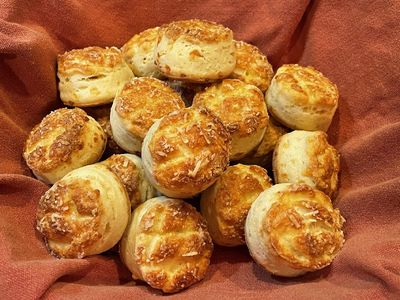
A yeast-leavened, fat-rich dough rests cold so the fat stays solid in flaky layers. The dough is rolled, folded and rolled again like a rough puff pastry, then cut into rounds, scored, brushed with egg and baked at high heat until golden and crisp on the outside, tender inside. Cheese is added by folding grated cheese into the dough and showering more on top.
Matzo Brei
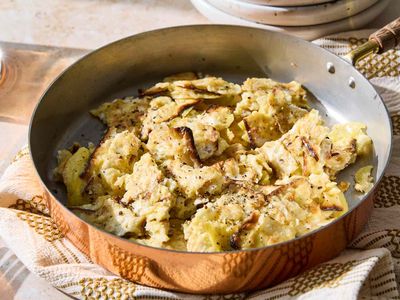
The eight-day Passover diet rests on matzo, and matzo brei is the dish that turns yesterday's plain matzo crackers into a proper hot breakfast. Pieces of matzo go briefly under warm water until they soften (but don't disintegrate), then drain. They get folded into beaten salted eggs, sit a minute so the matzo drinks in the egg, and then go into hot foaming butter. Two finishes: cook flat as a thick pancake and flip, or break up and scramble. Eaten immediately with whichever topping the household votes for.
Somlói Galuska
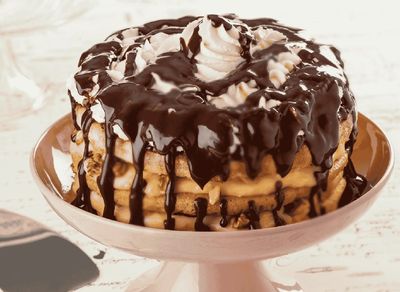
Three thin sponges bake side by side or in batches: one vanilla, one cocoa, one walnut. Each is moistened with a warm rum-citrus syrup and layered in a deep dish with raisins, walnuts and a vanilla pastry-cream-style filling. The whole thing chills overnight so the layers meld. Served by scooping (galuska means "dumpling", referring to the soft scoops), drowned in warm chocolate sauce and crowned with cold whipped cream.
Andouille Skewers
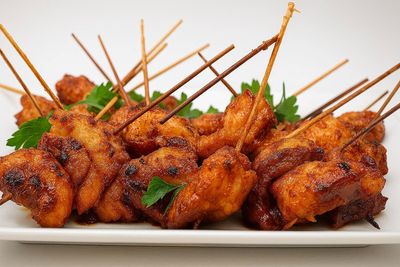
A Cajun cookout skewer, the kind of thing that comes off the grill at a Louisiana backyard barbecue while the gumbo is finishing on the back burner. You take andouille (the heavily smoked, garlicky Cajun pork sausage) and cut it into thick coins, then thread them onto pre-soaked wooden skewers (or metal) with chunks of red and green pepper, red onion, and a few halved cherry tomatoes. Brush with a quick Cajun glaze of melted butter, garlic, brown sugar, hot sauce and Cajun seasoning. Onto a hot grill over high heat for just long enough to char the vegetables and bring the sausage shiny and sticky. Eaten straight off the skewer with a beer in the other hand, the smoke still hanging in the air.