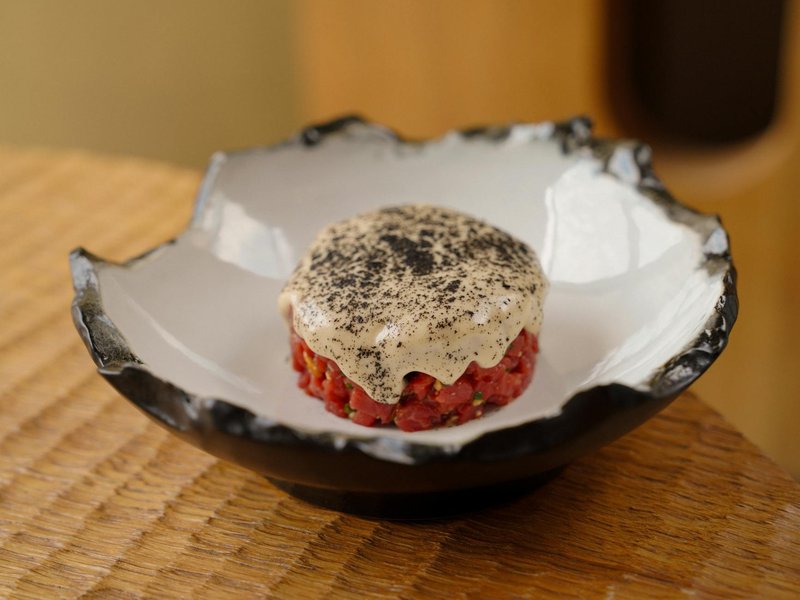
Steak Tartare
Raw beef fillet hand-chopped fine, mixed with capers, gherkins, shallot, parsley, mustard and Worcestershire, topped with a raw egg yolk, served with toast and a green salad. The most adult dinner-party starter; not for the squeamish but the most luxurious thing you can eat at room temperature.
Overview
Centre-cut beef fillet is hand-chopped (don't blitz; the texture matters) and mixed with the seasonings just before serving. Plated in a neat ring, topped with a yolk in a half-shell or directly on top, served with hot toast and a small dressed salad.
Ingredients
Tartare
- 500 g beef fillet (centre-cut, very fresh; tell the butcher it's for tartare)
- 2 banana shallots (very finely chopped)
- 2 tablespoons capers in brine (rinsed, finely chopped)
- 4 cornichons (finely chopped)
- 1 tablespoon Dijon mustard
- 2 teaspoons Worcestershire sauce
- A few drops Tabasco
- 1 tablespoon ketchup (optional, for tartare classique)
- 2 tablespoons flat-leaf parsley (finely chopped)
- 4 anchovy fillets (mashed; optional)
- 4 egg yolks (large, in their half-shells or at the centre of the plate)
- 4 tablespoons extra virgin olive oil
- salt
- pepper
To serve
- Toasted sourdough (or brioche)
- A dressed salad (small, lemon-dressed lamb's lettuce or rocket)
Method
Stage 1 - Prep the beef
- With a very sharp knife, slice the beef into 5 mm strips, then into 5 mm cubes, then chop finely (don't pulverise; aim for a coarse mince texture).
- Refrigerate while you prep the rest.
Stage 2 - Mix
- In a chilled bowl, combine the chopped beef with the shallot, capers, cornichons, mustard, Worcestershire, Tabasco, ketchup if using, parsley and anchovies (if using).
- Drizzle in the olive oil; season with salt and pepper.
- Mix gently with a fork; don't overwork or the texture compacts.
- Taste; adjust mustard, Worcestershire or Tabasco to your liking.
Stage 3 - Plate
- Use a metal ring (or a clean tin can with both ends removed) to form a neat puck on each plate.
- Make a shallow well in the centre.
- Slide an egg yolk into each well (or rest it in a half-shell propped on top).
Stage 4 - Serve
- Set toast and a small salad on the side.
- Diners mix the yolk through the beef before eating.
Notes
- Freshness is essential: Tell the butcher you're making tartare. Use the same day. If you're nervous, freeze the fillet for 24 hours at -20°C first (kills any parasites; texture barely changes).
- Hand-chop, don't blitz: A food processor turns it into mince paste. The texture should be fine but distinguishable.
- Egg yolk freshness: Use the freshest pasteurised eggs you can. The yolk must be unbroken until the diner mixes it through.
Storage
- Doesn't keep. Eat within an hour of mixing; raw beef oxidises and loses its bright colour.
More like this
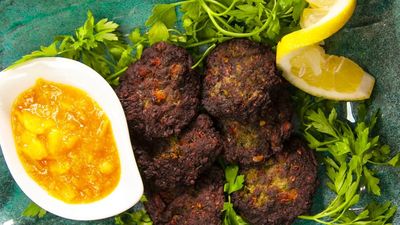
Aroog
Fine bulgur (#1 grade) soaks in hot water until soft and fluffy. Lamb or beef mince mixes with the bulgur, grated onion, lots of chopped parsley and coriander, ground baharat, cumin and a pinch of cinnamon. The mixture should be soft enough to spread, if it's too dry the aroog crumble. Small portions press onto a hot oiled pan and flatten to 1 cm thick discs; cook for 4-5 minutes per side over medium heat until deeply browned and the meat is just cooked through. Lift, drain briefly, eat hot with lemon and yoghurt.
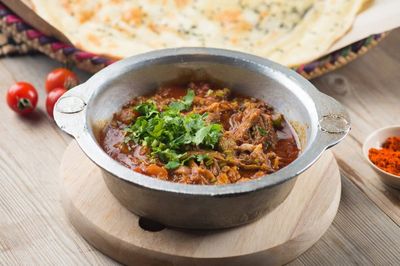
Saltah
Lamb (or beef) is slow-cooked in a Yemeni tomato-onion-spice stew (called maraq) for two hours. Just before serving, the stew is transferred to a flameproof clay or stone pot, brought to a violent boil on direct heat. Whipped hulba (overnight-soaked fenugreek seeds, blended with lemon and a little water into a snowy froth) is spooned on top. The pot is brought to the table boiling. Sahawiq adds heat.
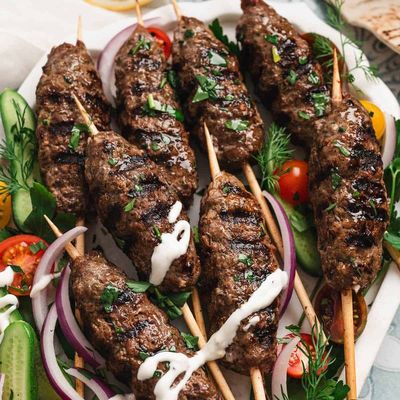
Kafta Mishweeyeh
Mince combines with grated onion, very-finely chopped parsley, garlic, allspice, cinnamon, salt and a pinch of cayenne. The mixture rests for 30 minutes to firm up. Wet hands shape portions around flat metal skewers into long sausage-like cylinders pressed firmly so they don't drop. Grilled hot, turned once, 4-5 minutes per side. Sliced or pulled off the skewers; wrapped in warm bread with the trimmings.
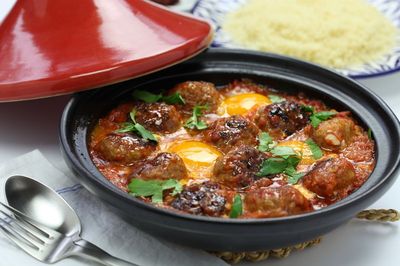
Kefta Tagine
Beef or lamb mince is mixed with grated onion, garlic, fresh parsley and coriander, cumin, paprika, cinnamon, salt and pepper; shaped into small (3 cm) balls. A tomato sauce is built in the tagine: onion sweats in olive oil, garlic, cumin and paprika join, tomato passata and a stock cube simmer for 10 minutes. The meatballs are nestled in; cooked for 12 minutes turning once. Eggs are cracked into wells; lid on; 4 minutes more until the whites are just set. Scattered with parsley and served hot.