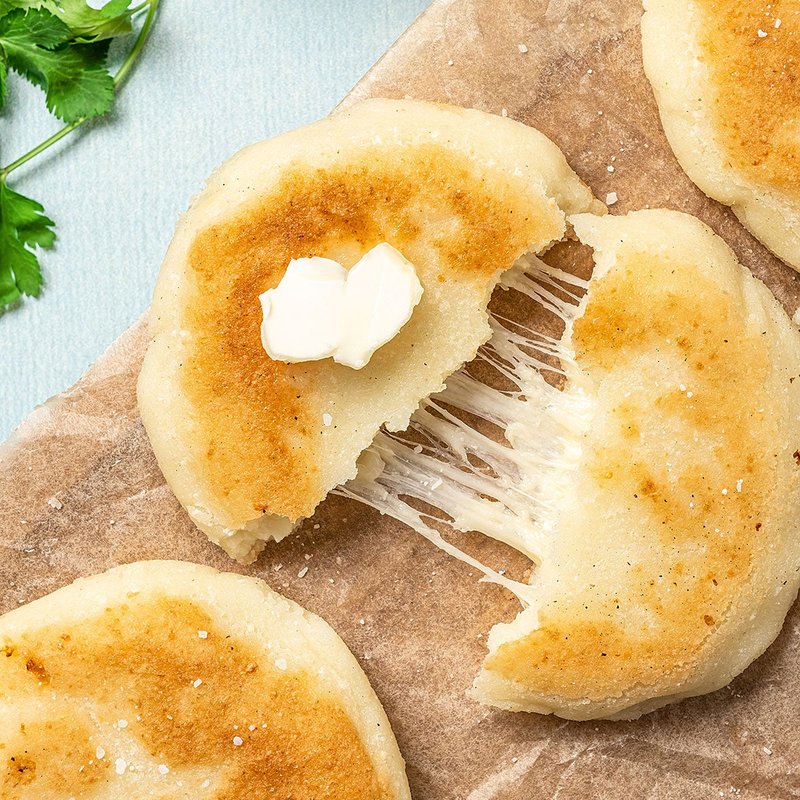
Arepas de Queso
Colombian cheese arepas: corn cakes built on pre-cooked white maize flour (masarepa), stuffed with cheese in the dough so it melts through as they cook. Crisp on the outside, soft and steamy inside, with the cheese pulling in strings when broken open. Eaten at breakfast with hot chocolate, or at any meal as a side.
Overview
Masarepa (pre-cooked, instant white maize flour, sold as "masarepa", "harina pan", or "P.A.N."), warm water and salt are mixed to a soft dough that rests for 5 minutes to hydrate. Cheese is folded in; the dough is shaped into discs about 1 cm thick. They are cooked in a dry hot pan first to set the surface, then given a thin coat of butter and cooked to deep golden on both sides. The cheese melts inside.
Ingredients
- 350 g pre-cooked white maize flour (masarepa / harina P.A.N. / harina pan)
- 1 ¼ teaspoons salt
- 500 ml warm water (approximate)
- 200 g mild mozzarella (or queso fresco; grated)
- 30 g unsalted butter (melted; for cooking)
To serve
- Extra butter
- Hogao (Colombian tomato-onion sauce) or guacamole
Method
Stage 1 - Dough
- Whisk the maize flour and salt in a wide bowl.
- Pour in the warm water gradually, mixing with a wooden spoon, until the dough is the texture of soft mashed potato - moist but holding shape. Different brands of masarepa absorb differently; add water by tablespoons if dry.
- Cover with a damp tea towel; rest 5 minutes (lets the flour hydrate and the dough firm).
Stage 2 - Add the cheese
- Knead the cheese into the dough thoroughly - work it in with your hands until the cheese is well distributed.
Stage 3 - Shape
- Divide the dough into 8 equal balls (about 100 g each).
- Flatten each ball between your palms into a disc about 1 cm thick and 9 cm across.
- Smooth any cracked edges with damp fingers - cracks open in the pan.
Stage 4 - Cook
- Heat a heavy non-stick or cast-iron pan over medium heat.
- Lay the arepas in dry; cook 4-5 minutes per side until lightly speckled but no deep colour - this sets the surface.
- Brush both sides with melted butter.
- Continue cooking 2-3 more minutes per side until each is deep golden and crisp on the outside; the inside should be steamy and the cheese melted.
Stage 5 - Serve
- Lift onto a plate; eat hot - split or whole, with extra butter, hogao or just on their own.
Notes
- Masarepa, not cornmeal: Masarepa is pre-cooked maize flour; ordinary cornmeal or polenta won't work. Look for "harina P.A.N." or similar at Latin grocers and increasingly in supermarket world food aisles.
- Don't rush the surface: The first dry-pan stage seals the arepa so it doesn't fall apart when buttered. Patience here means cleaner cooking.
- Cheese choice: A mild melting cheese is right. Mature cheddar overpowers; bland mozzarella is the proper choice. Queso fresco is the authentic option.
Storage
- Best fresh and hot. Re-crisp leftovers in a hot dry pan or oven (180°C, 6 minutes).
- Freeze raw shaped arepas 2 months; cook from frozen, adding 3 minutes.
Recipes mentioned here
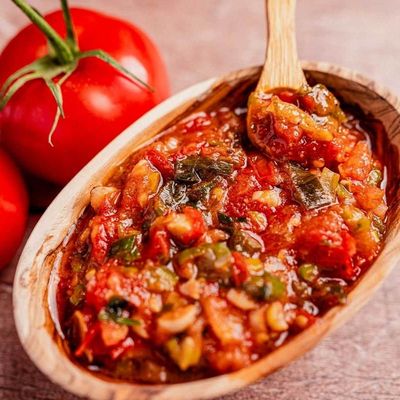
Hogao
Long spring onion (cebolla larga) and white onion are softened in oil; garlic, cumin and annatto come in; grated tomato cooks down 15 minutes until thick and sticky. Seasoned and rested. The texture is somewhere between a sauce and a paste, spoonable but coating.
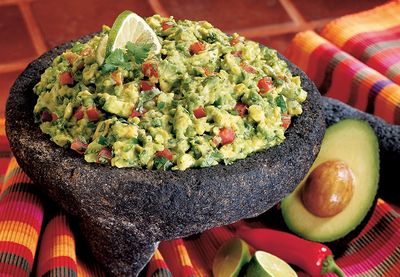
Guacamole
Avocados halve, scoop out, mash chunky (not smooth, texture matters). Onion finely chops, jalapeño deseeds and chops, coriander chops. Lime juice, salt, mix. Eat immediately or press cling film flat onto the surface to slow oxidation.
More like this

Kewa Datshi
The gentler, more domestic cousin of ema datshi: a Bhutanese family supper of potatoes simmered with chilli and cheese into a creamy, lively sauce. You slice waxy potatoes into thin rounds and drop them into a single pot with green chillies, onion, garlic, butter and the cheese mixture, then cover with water and simmer for about twenty-five minutes until the potatoes are tender and the cheese has melted into a thick, pale-yellow chilli-flecked sauce. The technique is the simplest in Bhutanese cooking: everything goes in together and cooks down without ceremony. The art is in the chilli-to-cheese ratio. More chilli and the dish reads as fiery; more cheese and it reads as rich. Either way it's eaten with red Bhutanese rice, the potatoes half-melting into the rice as you spoon.

Aussie Burger with Beetroot
The Aussie burger, sometimes called "the lot", is a milk-bar institution that emerged in Australia in the mid-twentieth century when European immigrants and returning soldiers reshaped the corner takeaway. What distinguishes it from any American or British burger is the insistence on tinned pickled beetroot, a slice of canned pineapple, a fried egg and rashers of streaky bacon, all stacked under a thick beef patty on a toasted bun. The beetroot is non-negotiable: it stains the bread, it stains your fingers, it leaks down your wrist, and it is the entire point. The combination sounds chaotic but works because each layer plays a clear role: sweet pineapple against salty bacon, earthy beetroot against rich egg yolk, sharp tomato chutney cutting through melted cheese. The patty itself is generously sized, hand-shaped, and seasoned simply so the toppings can do the talking. Difficulty is low; the only real skill is timing several pans at once so the egg, bacon and patty all arrive hot together. This is not delicate food. It is built to be eaten leaning forward over a paper wrapper with napkins and a cold drink. Serve it at a backyard barbecue and watch grown adults negotiate the architecture of the bite.
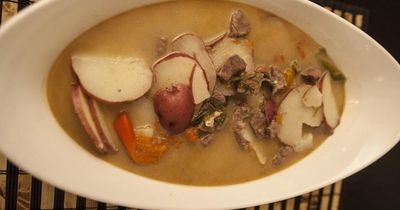
Ema Datshi
Bhutan's national dish, built on an honest two-ingredient premise: chillies and cheese, in roughly equal volume. The flavour is two things held in tension. The fierce burn of green chillies (jalapeños standing in for the hotter, more floral local Bhutanese varieties) on one side, the funky salty richness of blue cheese (Stilton or Gorgonzola standing in for the traditional yak cheese) on the other. The dairy fat tempers the burn just enough that you can actually eat it, but only just. The burn is the point. You build the dish out with beef, potato and tomato into a proper stew, and everything goes into the pot together to simmer until the cheese melts down into a fierce, creamy, chilli-flecked sauce. Eaten with red Bhutanese rice at most meals in Bhutan. Halve the chilli count the first time you cook it; the locals will laugh, but you'll be able to taste your next meal.
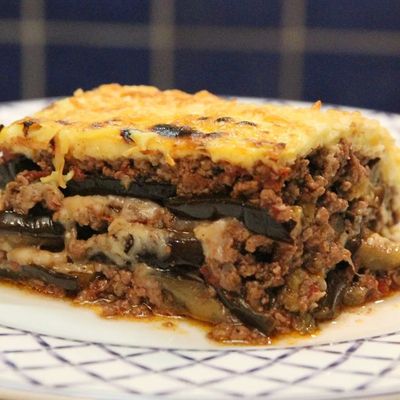
Moussaka
Aubergines and potatoes pan-fry or roast separately. Lamb mince cooks down with onion, garlic, cinnamon and tomato into a rich ragù. The layers go into a deep dish, topped with a cheese-rich béchamel that sets golden in the oven.