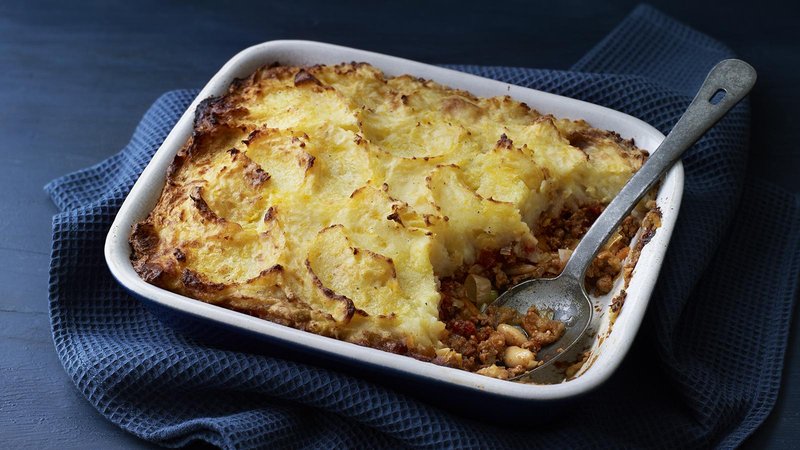
Cottage Pie
Beef mince's answer to shepherd's pie. The same comforting structure (rich savoury filling, mash on top, bake until crisp) but built around beef and a touch of red wine, giving a deeper, sweeter gravy. Named after the rural cottages where it traditionally fed working families.
Overview
The textbook British family dinner, the dish that turns up on every primary-school menu and most weeknight tables. You brown beef mince with onion, carrot and celery, then simmer it down with stock, a spoon of tomato purée, a slosh of red wine and a generous splash of Worcestershire into a thick savoury gravy. Top with cheddar mash piled rough so the peaks catch and crisp in the oven, and bake until the surface is deep gold and the gravy bubbles around the edges. Forgiving, freezer-friendly, exactly as good on Wednesday from leftovers as on Sunday from the oven. A green vegetable and a spoon of brown sauce on the plate, a bowl of trifle waiting in the fridge for after.
Ingredients
Filling
- 1 tablespoon olive oil
- 500 g beef mince (15% fat)
- 1 onion (finely chopped)
- 2 carrots (finely diced)
- 2 celery sticks (finely diced)
- 2 garlic cloves (crushed)
- 2 tablespoons tomato purée
- 1 tablespoon Worcestershire sauce
- 100 ml red wine
- 300 ml beef stock
- 1 tablespoon plain flour
- 1 teaspoon fresh thyme leaves (or ½ teaspoon dried)
- 1 bay leaf
- salt
- pepper
Topping
- 1 kg floury potatoes (Maris Piper or King Edward), peeled and cubed
- 75 g unsalted butter
- 75 ml whole milk
- 75 g mature cheddar cheese (grated)
- Salt
Method
Stage 1 - Brown the beef
- Heat the oil in a large heavy pan over medium-high heat.
- Add the beef mince and brown thoroughly, breaking up clumps with a wooden spoon. Drain off most of the fat (keeping a tablespoon for the soffritto).
- Scoop out and set aside.
Stage 2 - Build the filling
- Cook the onion, carrot and celery in the reserved fat over medium heat for 10 minutes until soft and slightly caramelised.
- Add the garlic and cook another minute.
- Stir in the tomato purée and cook for 1 minute, then deglaze with the red wine, scraping up the brown bits from the pan.
- Sprinkle the flour over, stir for 30 seconds, then return the beef and add the Worcestershire, stock, thyme and bay leaf.
- Bring to a simmer and cook uncovered for 25-30 minutes until thickened to a glossy gravy. Discard the bay leaf and taste for seasoning.
Stage 3 - Make the mash
- Boil the potatoes in well-salted water for 15-18 minutes until tender.
- Drain, return to the hot pan, and steam off any residual moisture for a minute.
- Mash with the butter and warm milk until smooth. Stir in half the cheese and season with salt.
Stage 4 - Assemble and bake
- Heat the oven to 200°C (180°C fan).
- Spread the beef filling into a 25 x 20 cm baking dish.
- Top with mash, smoothing then dragging a fork across the surface in long lines to create peaks.
- Scatter the remaining cheese on top.
- Bake for 25-30 minutes until the cheese is golden and the filling is bubbling at the edges.
- Rest 5 minutes before serving.
Notes
- Mince with some fat: 15% fat mince gives more flavour and a glossier gravy; very lean mince produces a flatter result.
- Don't skip the wine: The acidity cuts the richness and gives the gravy depth. Substitute extra stock + 1 tablespoon red wine vinegar if avoiding alcohol.
- Beef vs lamb defines the dish: Cottage = beef, shepherd's = lamb. Mixing the two is sometimes called "cottage shepherd's pie" in older British cookbooks.
Storage
- Keeps 3 days refrigerated.
- Reheats at 180°C for 20-25 minutes (covered, then uncovered).
- Freezes well baked or unbaked for up to 3 months.
More like this
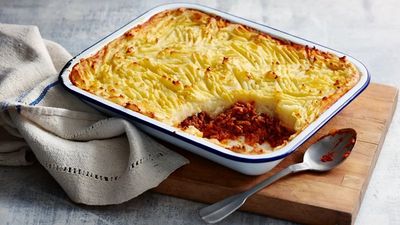
Shepherd's Pie
The lamb cousin of cottage pie, and the original of the two (cottage pie came later as a beef variant when lamb was harder to find). You brown lamb mince with onion, carrot and celery, then simmer with stock, tomato purée, Worcestershire and rosemary until the gravy is thick enough to hold a spoon upright. Top with garlic-butter mash piled in rough peaks that catch and crisp in the oven, and bake until the surface is deep gold. The lamb gives it a heavier, more savoury character than cottage pie's beef. That's what marks it as shepherd's rather than cottage. Eaten with peas, a spoonful of mint sauce on the side if you're being traditional, and a glass of bitter or a strong red.
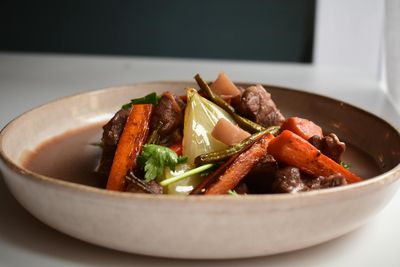
Beef and Guinness Stew
Chuck steak in big chunks, dredged in seasoned flour and browned in batches in a heavy pot until properly dark. Onions cooked low and slow in the same pot to draw out their sugar. The beef returned, a bottle of Guinness poured over with stock and a spoon of treacle, brought to a simmer and tucked into a low oven for two hours. The last half-hour gets carrots, potatoes and a handful of pearl barley to thicken the broth. Finished with parsley and a chunk of soda bread for mopping.
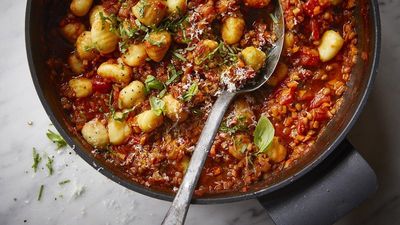
Ragù with Gnocchi
This ragù blends deep browning, layered aromatics, and a long, gentle oven braise to create a sauce with rich umami, silky texture, and balanced brightness. A two-milk finish adds softness, while a quick red wine gastrique lifts the sauce at the end.
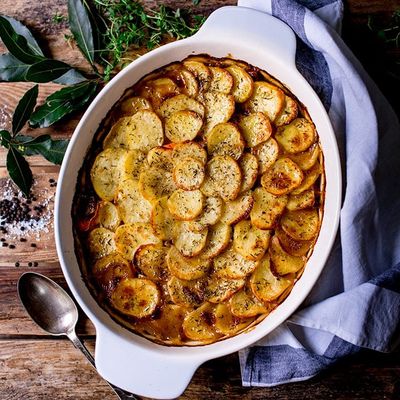
Lancashire Hotpot
The defining dish of the north-west of England, the one-pot supper invented to feed mill workers in the cotton towns of Lancashire from a single tough cut of lamb and a layer of potatoes. You layer lamb shoulder or middle-neck chunks with onions and stock in a deep dish, top with overlapping slices of waxy potatoes that protect the meat below while crisping golden above, and put the whole thing into a low oven for hours. Time and gentle heat do the rest: the lamb tenderises, the onions melt down into the gravy, the potato top crisps into a thatched roof of pale brown discs. Eaten with pickled red cabbage on the side, exactly as it would have been on a Pendle table a hundred years ago.