Bubble and Squeak
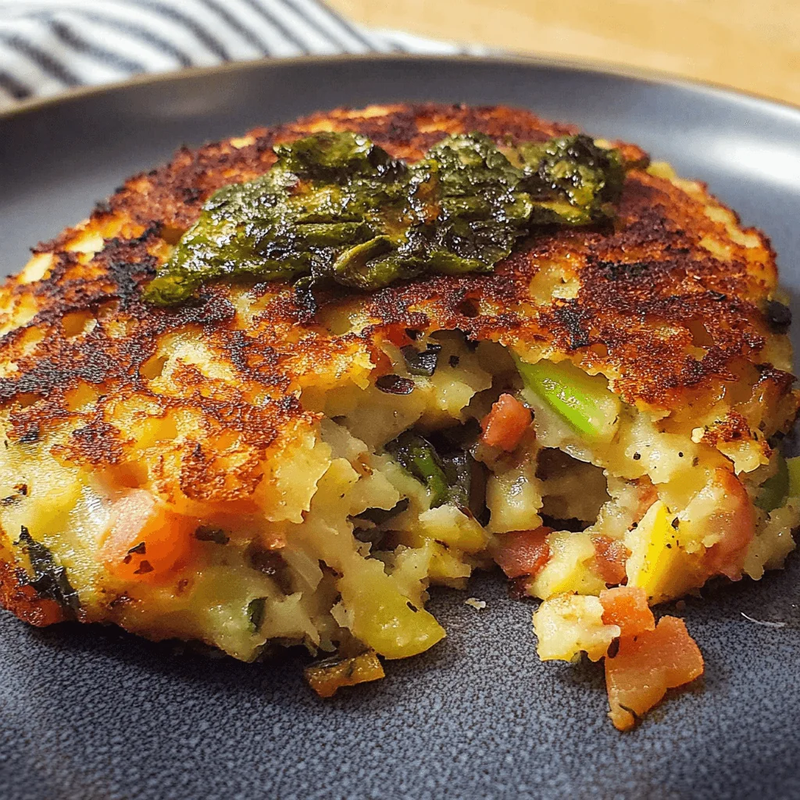
The Boxing Day classic: leftover roast potatoes and cabbage (or sprouts) fried hard in a pan until a deep crust forms beneath. Named for the noise the cabbage makes as it cooks. Better the second day than the first; the soul of British leftover cookery.
Overview
The British Boxing Day breakfast, the dish invented to give yesterday's roast leftovers something useful to do. You roughly mash cooked potatoes with cooked greens (cabbage or sprouts traditionally), press the lot into a hot buttered pan, and leave it alone until a deep brown crust forms underneath. Then you flip it (in one heroic motion if you're brave, in broken pieces if you're sensible) and let the second side brown too. The name comes from the bubbling and squeaking the dish makes as it cooks. Eaten with a fried egg on top and a few slices of cold ham or yesterday's gravy, ideally with a strong cup of tea on the side and the remains of Christmas Day still on the kitchen table.
Ingredients
- 600 g cooked potatoes (leftover roasties or boiled and mashed)
- 300 g cooked Brussels sprouts (or cabbage, chopped)
- 1 onion (finely chopped)
- 50 g unsalted butter
- 2 tablespoons goose fat (or beef dripping, optional, for extra crust)
- salt
- pepper
- A pinch of nutmeg (optional)
Method
Stage 1 - Combine
- Melt half the butter in a wide non-stick or cast-iron pan over medium heat.
- Cook the onion for 5 minutes until soft.
- Roughly crush the potatoes with a fork (chunks are good; this isn't smooth mash).
- Stir in the cooked greens and onions; season with salt, pepper and nutmeg.
Stage 2 - Crisp
- Wipe the pan, add the goose fat (or remaining butter) and heat over medium-high.
- Tip the mixture in and press flat with a spatula to fill the pan.
- DON'T STIR. Cook for 8-10 minutes until a deep brown crust forms beneath.
- Flip in pieces (don't try to flip the whole thing), pressing flat again.
- Cook another 6-8 minutes until the second side is also crisp.
Stage 3 - Serve
- Slide onto plates in rough wedges, crust uppermost.
- Top with a fried egg, or serve alongside cold ham, sausages or smoked fish.
Notes
- Don't stir: The crust is the entire point. Resist the urge to scrape and turn early; commit to the long, undisturbed sear.
- Goose fat for the second fry: Adds savoury depth and helps form a glossier crust. Beef dripping works.
- Sprouts > cabbage: Both are traditional but sprouts give a nuttier flavour and don't go soggy.
Storage
- Best eaten freshly cooked; the crust softens within an hour.
- Keeps 2 days refrigerated; re-crisp in a hot pan with a knob of butter.
More like this
Bangers and Mash
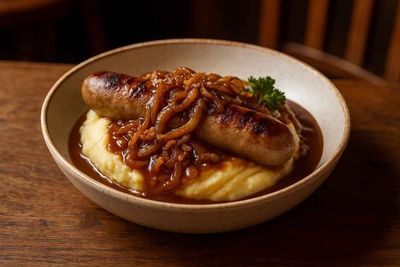
British pub comfort food in its truest form, the dish you order when the weather is grim and you want something to push the day's mood around. You slow-pan-fry good sausages so the skins blister and the fat renders properly, build a soft butter-and-milk mash that tastes of potato rather than dairy, and ladle over a dark onion gravy stiffened with mustard and a few thyme leaves. The onions need long, low cooking until they're collapsed and almost jammy; rushing them is the only way to ruin the dish. Eaten on a winter Tuesday with a pint of bitter or a glass of red, the mash mountain pushed slightly to one side so the gravy can pool around it.
Cottage Pie
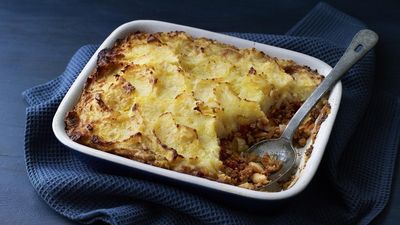
The textbook British family dinner, the dish that turns up on every primary-school menu and most weeknight tables. You brown beef mince with onion, carrot and celery, then simmer it down with stock, a spoon of tomato purée, a slosh of red wine and a generous splash of Worcestershire into a thick savoury gravy. Top with cheddar mash piled rough so the peaks catch and crisp in the oven, and bake until the surface is deep gold and the gravy bubbles around the edges. Forgiving, freezer-friendly, exactly as good on Wednesday from leftovers as on Sunday from the oven. A green vegetable and a spoon of brown sauce on the plate, a bowl of trifle waiting in the fridge for after.
Lancashire Hotpot
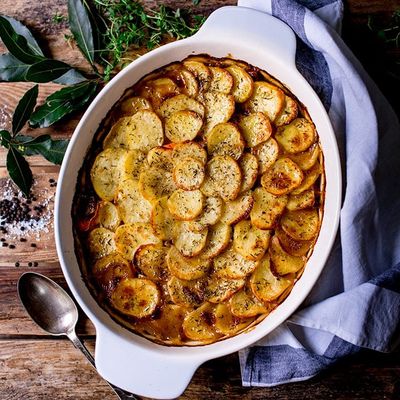
The defining dish of the north-west of England, the one-pot supper invented to feed mill workers in the cotton towns of Lancashire from a single tough cut of lamb and a layer of potatoes. You layer lamb shoulder or middle-neck chunks with onions and stock in a deep dish, top with overlapping slices of waxy potatoes that protect the meat below while crisping golden above, and put the whole thing into a low oven for hours. Time and gentle heat do the rest: the lamb tenderises, the onions melt down into the gravy, the potato top crisps into a thatched roof of pale brown discs. Eaten with pickled red cabbage on the side, exactly as it would have been on a Pendle table a hundred years ago.
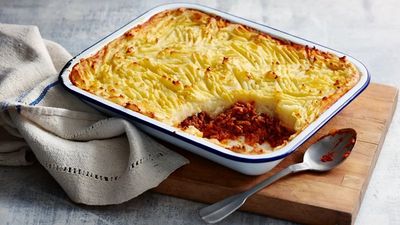
Shepherd's Pie
The lamb cousin of cottage pie, and the original of the two (cottage pie came later as a beef variant when lamb was harder to find). You brown lamb mince with onion, carrot and celery, then simmer with stock, tomato purée, Worcestershire and rosemary until the gravy is thick enough to hold a spoon upright. Top with garlic-butter mash piled in rough peaks that catch and crisp in the oven, and bake until the surface is deep gold. The lamb gives it a heavier, more savoury character than cottage pie's beef. That's what marks it as shepherd's rather than cottage. Eaten with peas, a spoonful of mint sauce on the side if you're being traditional, and a glass of bitter or a strong red.