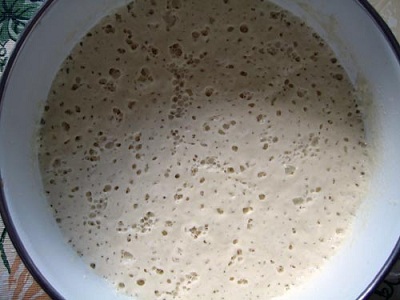
Poolish (Bread Pre-Ferment)
A bread pre-ferment: equal weights of flour and water with a pinch of yeast left overnight till bubbly.
Overview
Poolish is a classical French bread-making technique: a preferment that develops yeast flavor and creates a stronger gluten network before the final dough is mixed. Made from equal weights of flour and water plus yeast, it rests for 12-18 hours. This extended fermentation allows beneficial bacteria to thrive, developing sour and complex flavors. The Poolish is then incorporated into the final dough as part of the liquid and flour calculation. This is the foundation of authentic baguettes and fine French breads.
Ingredients
Poolish Base
- 100 grams bread flour (or all-purpose flour)
- 100 grams water (room temperature, approximately 20-22°C)
- ¼ teaspoon (about ½g) instant or active dry yeast
Storage & Notes
- Container: Large bowl with cling film cover
- Fermentation temperature: Warm, dry place (approximately 18-22°C)
- Fermentation time: 12-18 hours (ideally 16-18 hours for maximum flavor development)
Method
Stage 1 - Activate Yeast
- Pour the water into a small bowl.
- Add the yeast to the water, stirring constantly for 20 seconds.
- Allow the yeast to sit for 1 minute; it will hydrate and begin to activate.
- The mixture will become slightly foamy as the yeast wakes up.
Stage 2 - Mix Poolish
- Put the flour in a large mixing bowl.
- Pour the yeast-water mixture into the flour.
- Using a fork or wooden spoon, stir vigorously to help develop the long gluten strands.
- Mix until you reach a thick, batter-like consistency (thicker than pancake batter, thinner than cookie dough).
- There should be no dry flour remaining.
Stage 3 - Ferment
- Cover the bowl completely with cling film (this prevents a crust from forming on top and helps retain moisture).
- Leave to rest in a warm, dry place for 12-18 hours.
- Ideal fermentation: 16-18 hours develops the most complex flavor.
- The Poolish will rise to roughly 2-3 times its original volume, becoming full of bubbles.
- The surface may develop a slightly sunken appearance as fermentation slows.
Stage 4 - Use in Final Dough
- The Poolish is now ready to use in a final bread dough recipe.
- When a bread recipe calls for flour and water, subtract the Poolish's weight from these amounts.
- Example: If a recipe calls for 850g flour and 510g water, and you have 200g Poolish (100g flour + 100g water), use 750g flour + 410g water + the 200g Poolish.
- The Poolish will be incorporated as part of the liquid and flour amounts in your final dough.
- Mix the Poolish along with the remaining flour, water, and salt into your final dough.
Notes
- Cold Fermentation: If your kitchen is cold, fermentation takes longer; a warm place (ideally 20-22°C) accelerates fermentation.
- Extended Fermentation: Poolish can be left to ferment for up to 24 hours; longer fermentation creates more sour, complex flavor (but past 24 hours, the yeast may weaken).
- Temperature Matters: Cold water and cool environments slow fermentation significantly; warm environments speed it up.
- Active Dry vs. Instant Yeast: Both work; instant (bread) yeast ferments slightly faster. Use the same amount.
- No Poolish Starter: Some bakers use a small portion of previous day's dough instead of new yeast; this creates even more complex flavor (called a "biga" in Italian tradition).
- Storage: Poolish can be refrigerated for up to 3 days before use (fermentation continues very slowly in cold); allow to come to room temperature before mixing into final dough.
Variations
Extended Fermentation Polenta: Use cornmeal instead of flour for a corn-flavored preferment (creates interesting flavor in corn bread). Liquid Poolish: Use all liquid and flour with no salt (as here) for lighter flavor; some bakers add ¼ teaspoon salt to slow fermentation slightly and increase complexity. Cold Fermentation: Make Poolish as usual, then refrigerate for 8-16 hours instead of fermenting at room temperature; this creates more sour, complex flavor (the cold slows yeast but bacteria continue slowly). Longer Autolyse: After mixing, let the Poolish rest for 1 hour before final mixing; this develops even more gluten strength. Multiple Poolish: Some breads use two different Poolish stages made at different times, creating layered complexity.
Serving
Use in: Baguettes, ciabatta, focaccia, high-hydration artisan breads Percentage: Typically 20-40% of total dough weight Effect: Adds depth, slight tartness, better crust development, improved fermentation
Storage
- Poolish should be used immediately after fermentation (when bubbly and active)
- If fermented for longer than 18 hours, it can be refrigerated before use
- Refrigerated Poolish keeps for up to 3 days in an airtight container
- Do not freeze; yeast won't survive thawing
- Always allow refrigerated Poolish to return to room temperature before using
Authentic French bread requires a pre-fermentation stage known as a Poolish, a starter made with equal parts water and flour and a tiny amount of yeast. This ferments for 12-18 hours, developing flavor and improving dough structure. Poolish adds complexity, acidity, and distinctive character to bread.
More like this
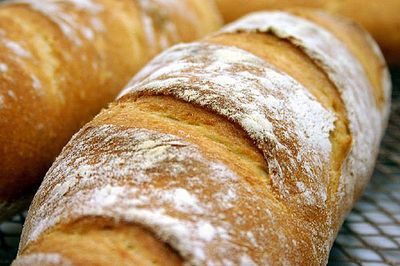
White Bread
This is a simple, rustic white bread with excellent crust and tender crumb. The combination of salt, oil, and water creates a supple dough that develops wonderful flavor through slow fermentation. The high water content creates steam during baking, resulting in the characteristic crispy, shattering crust. This is a straightforward bread made with no enrichments, pure flour, water, yeast, salt, and time.
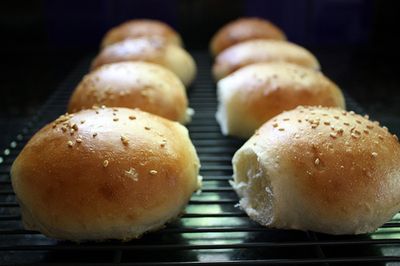
Burger Buns
These are soft, pillowy burger buns with a tender crumb and sesame-seed finish. The combination of milk, lard (or butter), and a touch of sugar creates tender, slightly sweet dough that's ideal for burgers, pulled meat, or roasted vegetables. The dual egg wash and sesame seed topping create professional appearance and pleasant textural topping. These buns are best eaten the day they're made while still soft and warm.
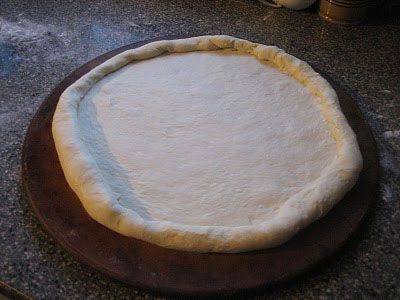
Classic Pizza Dough
This is a forgiving pizza dough suitable for home cooks, no complex temperature calculations or extended fermentation. Mixed and risen in one straightforward stage, it produces respectable pizza base with balanced chew and crispness when properly topped and cooked. The dough is forgiving with hydration and timing; it's designed for everyday pizza-making rather than artisanal showcase. Pricking the base before topping helps prevent excessive bubbling, and allowing the dough to rest after shaping creates better structure.
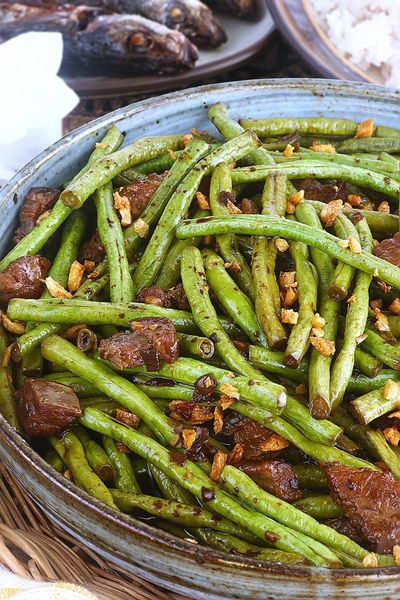
Adobong Sitaw
Garlic browns in oil; long beans toss in to colour briefly. Soy and vinegar pour in with bay and peppercorns; the beans braise covered until tender. Lid off; the liquid reduces to a glaze. Salt at the end, not the start, since soy is salty enough.