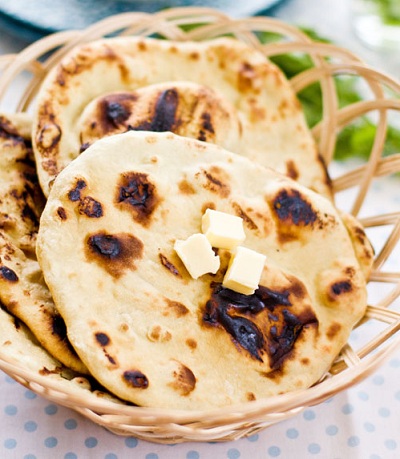
Naan Bread
India's teardrop flatbread: a yeasted dough pressed onto the hot side of a tandoor, pulled down into a leaf shape by gravity.
Overview
Naan is exceptional bread, leavened with yoghurt and baking powder (not yeast), resulting in tender, pillowy texture with characteristic charred patches. When cooked properly on a very hot grill or in a tandoor, the dough puffs dramatically and develops an irregular, tear-shaped silhouette. The yoghurt adds slight tang and richness. This is Indian bread-making at its most forgiving and rewarding, no extended fermentation required, yet the results are restaurant-quality.
Ingredients
Dough
- 450 grams strong white flour
- 1 tablespoon baking powder
- 1 tablespoon white granulated sugar
- 2 tablespoons Greek yoghurt (or full-fat plain yoghurt)
- 1 teaspoon Aromatic Salt
- Lukewarm water (added gradually, approximately 100-125 ml)
For Finishing & Cooking
- 2 teaspoons sesame seeds
- ½ teaspoon nigella (kalonji) seeds (optional but traditional)
- 2 tablespoons ghee (melted, for brushing)
- Extra flour for dusting
Method
Stage 1 - Combine Dry Ingredients
- Choose a large ceramic or glass bowl and sift in the flour.
- Add the baking powder, sugar, aromatic salt to the flour.
- Whisk the dry ingredients together to distribute the leavening evenly.
Stage 2 - Add Wet Ingredients
- Make a well in the center of the dry ingredients.
- Add the 2 tablespoons Greek yoghurt to the well.
- Gradually add lukewarm water (about 100-125 ml) little by little, stirring with your fingers to incorporate the flour.
- Work gently and patiently; the dough will gradually come together into a lump.
- Add just enough water so the dough holds together without being sticky.
Stage 3 - Knead
- Remove the dough from the bowl and place on a lightly floured board.
- Knead on the board for 5-10 minutes until well combined and smooth.
- The dough should be soft, supple, and slightly elastic.
- Don't overwork it; naan dough doesn't require the extended kneading of yeast breads.
Stage 4 - Rest
- Return the dough to the bowl.
- Leave in a warm place for a couple of hours to prove (this develops flavor; the dough will become slightly puffy but won't double).
- Note: Unlike yeast breads, the rise with naan is subtle and more about flavor development.
Stage 5 - Shape
- Knock back the dough by kneading it gently for 1 minute (it will reduce slightly in size, which is correct).
- Divide the dough into 2 equal portions.
- Shape each portion into a smooth ball.
- On a lightly floured work surface, roll each ball into a disc approximately 25-30 cm in diameter and at least 5 mm thick.
- Important: Keep the thickness as even as possible; thinner areas will burn before thicker areas cook.
Stage 6 - Prepare Grill
- Preheat the grill to three-quarters heat (very hot; you should feel intense heat).
- Line the grill rack with aluminum foil (this reflects heat and prevents burning underneath).
- Place the grill rack at the bottom position of the grill so that when the naan puffs, it doesn't touch the heat source and burn.
Stage 7 - Cook First Side
- Carefully lay one naan onto the foil-lined grill rack.
- Watch carefully as it cooks; it will puff dramatically within 30-60 seconds.
- The naan should develop brown patches and charred spots on the bottom; this is desired.
- As soon as the first side develops brown patches (approximately 2-3 minutes), using tongs or a flong spatula, carefully flip it over.
Stage 8 - Cook Second Side & Finish
- Turn it over so the uncooked side is on top.
- Immediately brush the hot, partially cooked top surface with melted ghee using a pastry brush.
- Sprinkle sesame seeds and nigella seeds over the ghee.
- Return to the grill and cook until the second side is sizzling and shows brown patches and charring (approximately 2-3 more minutes).
- The naan should be dramatically puffed and light.
- Remove from the grill using tongs.
Stage 9 - Rest & Serve
- Place the cooked naan on a warm plate.
- Repeat with the second portion of dough.
- Serve immediately while hot and puffed.
Notes
- Tandoor vs. Grill: Traditionally, naan is cooked in a tandoor (clay oven); a very hot grill is the closest domestic alternative. Oven-baking will not achieve the necessary heat.
- Yoghurt Type: Full-fat, plain yoghurt (not sweetened) is essential; it adds richness and slight tang without competing flavors.
- Baking Powder: This provides all the leavening; don't omit it or the naan will be dense and chewy.
- Puffing: The spectacular puff that happens during cooking is created by steam building up in the dough; gluten development and high heat make this possible.
- Tear Shape: The traditional leaf or tear shape comes from pressing the naan against the side of a tandoor as it cooks. On a grill, the shape is less controlled but still develops naturally.
- Charring: The brown and slightly blackened patches are not burning; they're the Maillard reaction, which adds flavor and appeals.
- Seasoning: Nigella seeds are traditional but optional; sesame seeds are essential for appearance and flavor.
Variations
Garlic Naan: Brush the second side with ghee mixed with minced garlic and fresh coriander before cooking. Herb Naan: Add 1 tablespoon finely chopped fresh coriander or mint to the dough before resting. Spicy Naan: Add ½ teaspoon chilli powder to the dry ingredients for heat. Stuffed Naan: Before rolling, place a small amount of paneer cheese, potatoes, or minced meat in the center, fold the edges over, and flatten to seal. Peshwari Naan: Brush with ghee mixed with ground coconut and sultanas before cooking.
Serving
Serve: Immediately, puffed and hot from the grill With: Any curry, tandoori proteins, chutneys, yoghurt dips Garnish: Fresh coriander, lime wedges Vessel: Serve wrapped in cloth to maintain heat
Storage
- Best served fresh from the grill
- Store cooled naan in an airtight container at room temperature for up to 1 day
- Freeze naan in plastic wrap for up to 1 month; thaw and reheat wrapped in foil in a 180°C oven for 8-10 minutes
- Refresh stale naan by wrapping loosely in foil and reheating gently
- Do not refrigerate; it stales quickly in the cold
The original version of the naan and the oven it is cooked in, the tandoor, were brought to the North-West Frontier by the ancient Persians, who called them respectively nane and tonir. So they are a traditional staple food for Baltis and Kashmiris. The transition to the Balti house was a natural progression. As with the rotis, naan can be quite large. This method uses the grill and it produces a huge, light, fluffy, slightly sweet, and chewy, mouth-watering bread.
More like this
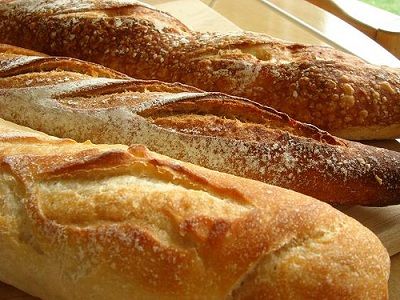
Baguette
A true French baguette relies on time, technique, and a two-stage fermentation: first the poolish (a simple fermenting starter made 18 hours ahead), then the final dough and a series of gentle folds. The result is a crispy, crackling crust and an open, airy crumb with complex flavor. Baguettes are meant to be eaten the same day they're baked; their magic lies in their freshness and the contrast between crust and crumb.
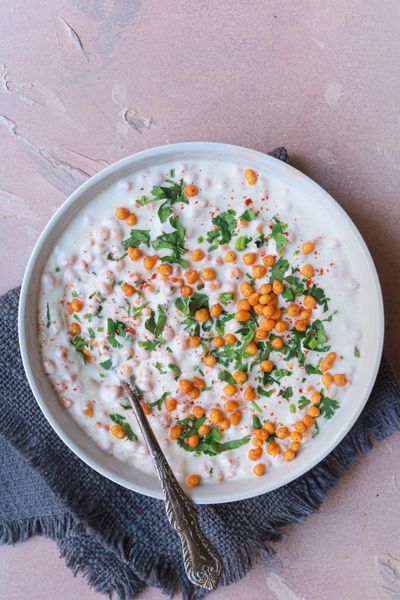
Boondi Raita
Plain yogurt whisks with a little water (or milk) to a smooth pourable raita texture. Ground roasted cumin, finely chopped mint, salt, sugar (a pinch, balances the sour), and Kashmiri red chilli powder mix in. The boondi (ready-made; sold at Pakistani / Indian shops) folds in 5-10 minutes before serving, too early and they go soggy. Garnished with a sprinkle of cumin and chilli.
Burger Buns
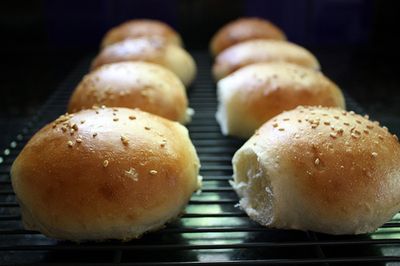
These are soft, pillowy burger buns with a tender crumb and sesame-seed finish. The combination of milk, lard (or butter), and a touch of sugar creates tender, slightly sweet dough that's ideal for burgers, pulled meat, or roasted vegetables. The dual egg wash and sesame seed topping create professional appearance and pleasant textural topping. These buns are best eaten the day they're made while still soft and warm.
Chilli and Red Onion Raita
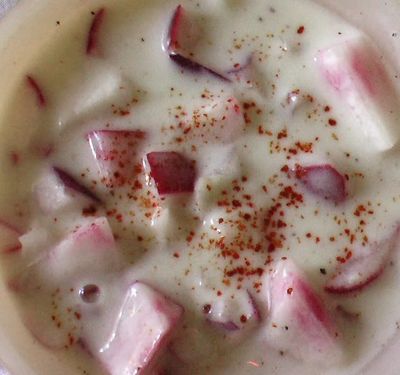
Chilli and red onion raita is a cooling, yoghurt-based Indian condiment with toasted cumin, fresh coriander, and a gentle heat from green chilli. It provides a refreshing contrast to spicy curries and works equally well as a dip alongside poppadums.