Rough Puff Pastry
A quicker French puff: butter cubed into flour and folded by hand, with a series of turns to laminate.
Overview
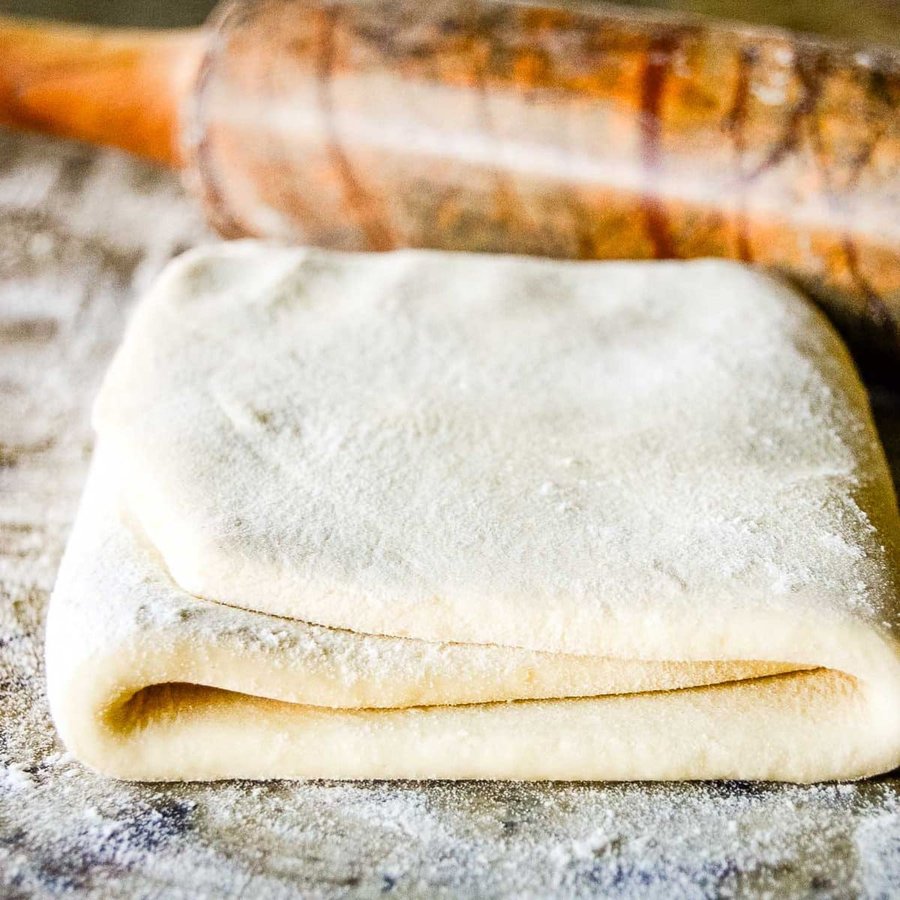
Rough puff pastry is a simplified laminated dough that mimics the structure of true puff pastry with fewer folds and a quicker method. The distinct butter pieces visible in the dough create flaky layers when baked, though less voluminous than traditional puff pastry. This pastry offers an excellent balance of ease and results, making it ideal for both experienced pastry chefs and home bakers.
Ingredients
- 500 grams plain flour
- 500 grams butter (very cold, cut into small cubes)
- 1 teaspoon salt
- 250 ml water (ice cold)
Method
Preparing the pastry
- Put the flour in a mound on the work surface and make a well.
- Put in the butter and salt and work them together with the fingertips of one hand, gradually drawing the flour into the centre with the other hand.
- When the cubes of butter have become small pieces and the dough is grainy, gradually add the iced water and mix well until it is all incorporated, making sure you don't overwork the dough.
- Roll it into a ball, wrap it in cling film and refrigerate for 20 minutes.
The first two turns
- Flour the work surface and roll out the pastry into a 40 x 20 cm rectangle.
- Fold it into three and give it a quarter-turn.
- Roll the block of pastry into a 40 x 20 cm rectangle as before, and fold it into three again.
- These are the first 2 turns.
- Wrap the block in cling film and refrigerate it for 30 minutes.
The last two turns
- Give the chilled pastry another 2 turns, rolling and folding as before.
- This makes a total for 4 turns, and the pastry is now ready.
- Wrap it in cling film and refrigerate for at least 30 minutes before using.
Notes
- Rough puff requires 4 turns total; fewer turns result in less impressive puffing, while more turns risk toughening the dough
- Keep all ingredients, tools, and work surfaces cool; warm conditions cause butter to soften and incorporate into the dough
- Fold into thirds (not halves like croissant dough) to create the proper layer structure
- Quarter-turn after each fold ensures even pressure distribution across the dough
Serving
Use rough puff pastry for vol-au-vents, fruit and cream tarts, strips topped with savory fillings, or sweet configurations with fruit. The pastry's flaky texture makes it ideal for both casual and elegant presentations. Brush with eggwash for golden color before baking.
Storage
Dough can be refrigerated for 2 days wrapped tightly, or frozen for up to 1 month. Shapes can be cut and frozen before baking; bake directly from frozen, adding 5 minutes to baking time. Baked pastry stores in an airtight container for 1-2 days; refresh briefly in a warm oven to re-crisp before serving.
More like this
Croissants
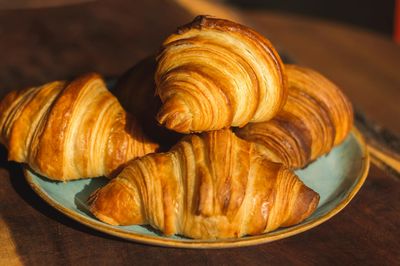
Croissant dough is a laminated dough that requires patience and precise technique to achieve its characteristic flaky layers. The interplay between enriched dough and butter layers, combined with careful folding and resting, creates the golden, buttery texture that defines a perfect croissant. This dough demands attention to temperature control and timing throughout its preparation.
Filo Pastry
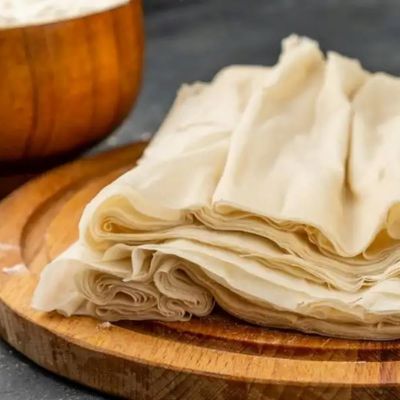
Filo pastry is an extraordinarily thin, delicate dough that requires skill and patience to master but rewards the effort with its ethereal, crispy layers. Unlike laminated doughs, filo is stretched by hand to transparent thinness, creating a unique texture. Its versatility allows it to be used for both sweet and savory preparations, showcasing fillings visually while providing a delicate crunch.
Pâte à Choux (Choux Pastry)
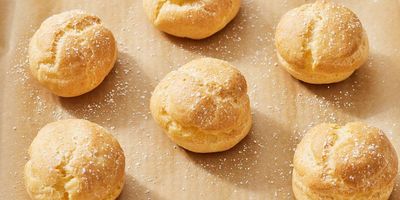
Pâte à choux is a unique pastry made without fat in the dough itself, relying instead on steam for leavening to create light, hollow shells. Its versatility allows it to be piped into countless shapes for both sweet and savory preparations. The characteristic crispy exterior and hollow interior make it an essential technique in pastry work. IMPORTANT: The 'drying out' stage is critical for success.
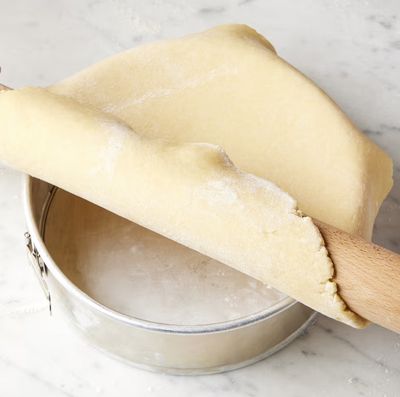
Pâté à Foncer (Flan Pastry)
Pâté à foncer is a tender, crumbly pastry traditionally used as the base for flans and tartlets. Its delicate texture and neutral flavor provide an elegant foundation that doesn't compete with fillings. The technique of rubbing fat into flour by hand creates the characteristic short, crumbly texture that distinguishes this pastry.