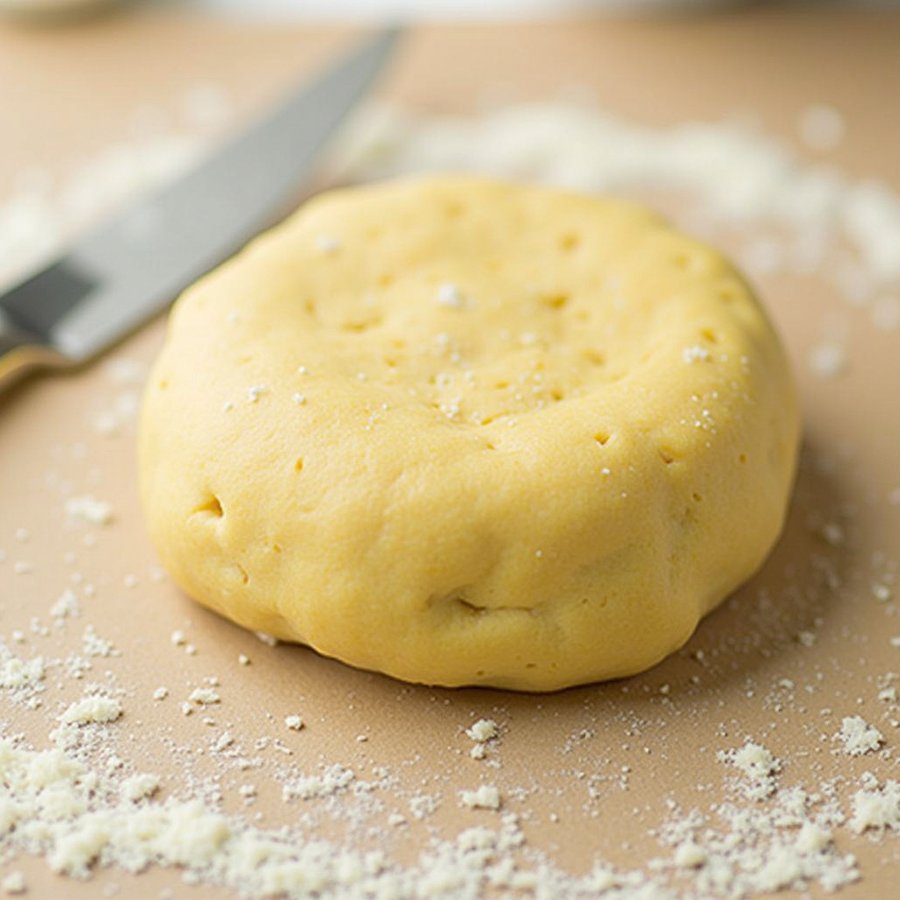
Pâte Moulée (Raised Pie Pastry)
This pastry is best made at least two hours in advance, ideally 24 hours before you use it.
Overview
Pâte moulée is a rich, dense pastry traditionally used for raised pies and savory terrines. The high proportion of lard creates a tender, crumbly texture and rich flavor characteristic of traditional British charcuterie presentations. Its distinctive composition and handling technique set it apart from other pastry doughs.
Ingredients
- 500 grams plain flour
- 20 grams salt
- 200 grams lard (cut into small pieces and softened)
- 5 egg yolks (mixed with 110 ml cold water)
Method
- Put the flour on the work surface and make a well.
- Place the salt and lard in the centre.
- Use your fingertips to mix and soften the ingredients in the well, gradually drawing in the flour and mixing with your fingertips.
- When the dough has a fine grainy texture, make a well in the middle.
- Gradually pour the egg yolks and water mixture into the well, mixing with your fingertips.
- When the dough is well amalgamated, push it away from you 4 or 5 times with the heel of your hands to make it homogeneous.
- Roll into a ball, wrap in cling film and refrigerate for at least 2 hours.
- If it has rested in the refrigerator for a while, take it out an hour before rolling.
Notes
- Lard is essential to this recipe; it creates the traditional texture and flavor that butter cannot replicate
- The fine grainy texture achieved during mixing determines the final crumbly consistency; do not overwork
- Resting for at least 2 hours (ideally overnight) allows the dough to relax and become more workable
- The dough should be pliable but not warm when rolling; take it from the refrigerator 1 hour before use
Serving
Use pâte moulée to line raised pie molds for traditional British meat pies, terrines, or game-filled presentations. The pastry's density and rich flavor provide an ideal framework for savory fillings. Often baked until golden and served warm with accompaniments like aspic glaze.
Storage
The dough can be refrigerated for 2-3 days wrapped in cling film. Freeze for up to 1 month; thaw in the refrigerator before rolling. Once lining a mold, refrigerate for up to 4 hours before baking. Baked pies can be stored in the refrigerator for 3-4 days.
More like this

Croissants
Croissant dough is a laminated dough that requires patience and precise technique to achieve its characteristic flaky layers. The interplay between enriched dough and butter layers, combined with careful folding and resting, creates the golden, buttery texture that defines a perfect croissant. This dough demands attention to temperature control and timing throughout its preparation.
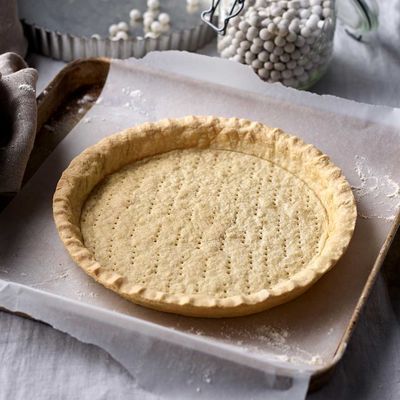
Pâte Brisée (Shortcrust)
Pâte brisée is a classic French shortcrust pastry that serves as the foundation for elegant tarts and tartlets. Its tender, crumbly texture and neutral flavor provide a perfect base that complements both sweet and savory fillings without competing. The simple technique of rubbing fat into flour creates its characteristic short, delicate crumb.
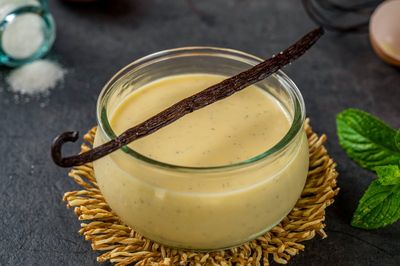
Crème Anglaise
The classic French pouring custard, silky, delicate, and versatile. This foundational cream sauce can be served warm alongside soufflés and fruit-based desserts, or chilled for trifles and pavlovas. With a palette of flavoring variations from classics like coffee and chocolate to creative options like pistachio, this sauce is endlessly adaptable.
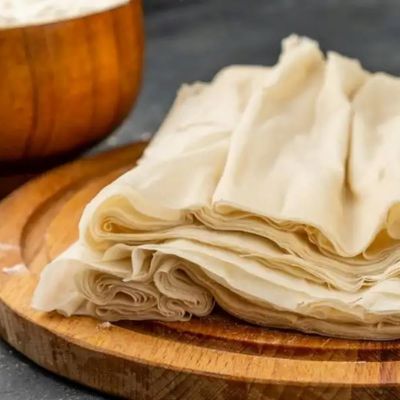
Filo Pastry
Filo pastry is an extraordinarily thin, delicate dough that requires skill and patience to master but rewards the effort with its ethereal, crispy layers. Unlike laminated doughs, filo is stretched by hand to transparent thinness, creating a unique texture. Its versatility allows it to be used for both sweet and savory preparations, showcasing fillings visually while providing a delicate crunch.