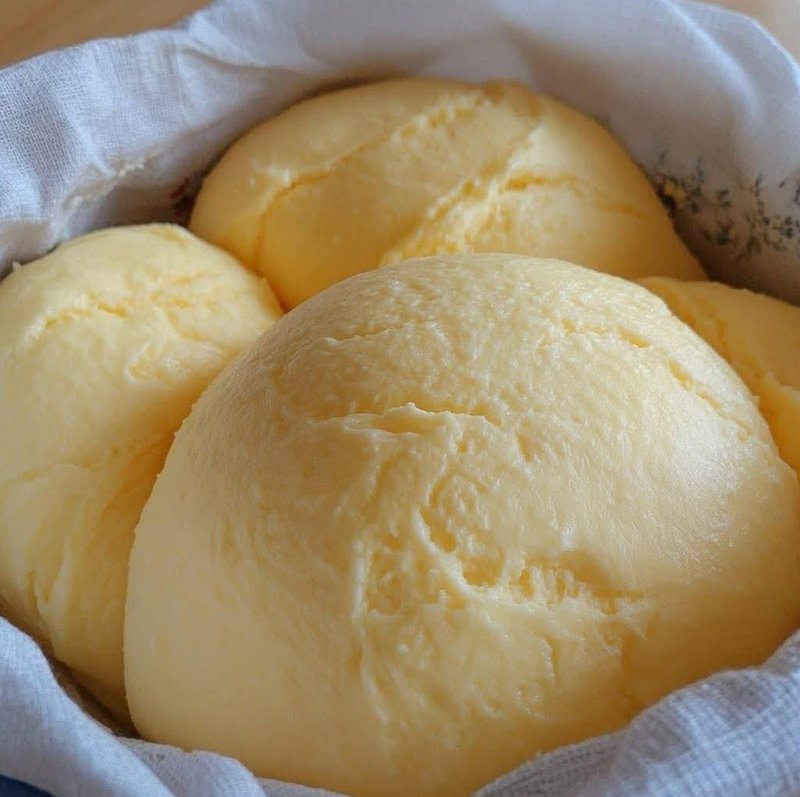
Brioche Dough
The French enriched dough: bread flour kneaded with eggs, butter, milk and a touch of sugar. The base for buns, loaves and pithiviers.
Overview
The quintessential French enriched yeast dough featuring butter and eggs for unmatched richness and tender crumb. This silky, golden dough is the foundation for elegant brioches, pastries, and breakfast breads. The long refrigeration develops flavor and makes the dough easier to shape. A showstopper on any breakfast or dessert table.
Ingredients
- 70 ml tepid milk
- 15 grams fresh yeast
- 500 grams plain flour
- 15 grams fine salt
- 6 eggs
- 350 grams butter (slightly softened)
- 30 grams caster sugar
- eggwash (1 egg yolk mixed with 1 tablespoon milk)
Method
- Put the milk and yeast into a bowl and stir to dissolve the yeast.
- Put the flour, salt and eggs into an electric mixer fitter with a dough hook and pour in the milk and yeast mixture.
- Mix on low speed to combine and knead the dough for 5 minutes.
- Scrape down the sides of the bowl with a rubber spatula, then knead at medium speed for about 10 minutes.
- By this stage, the dough should be smooth, elastic and well amalgamated.
- Meanwhile, in another bowl, mix the butter and sugar together well.
- Add a few small pieces to the dough, then with the mixer running at low speed, add the rest, a piece at a time.
- When the butter mixture is incorporated, increase the speed and work for 6 - 10 minutes until the dough is very smooth and shiny, and comes away from the bowl with perfect elasticity.
- Remove the dough hook, leaving the dough in the bowl.
- Cover with a tea towel and leave to rise at approximately 24°C for 2 hours until the dough has doubled in volume.
- Knock the dough back by flipping it over 2 or 3 times with your hand.
- Cover the bowl again and refrigerate for several hours (but not more than 24 hours).
To shape a large brioche
- Divide 600 grams of dough into two-thirds (400 grams) and one-third (200 grams).
- Shape the larger piece into a ball and place in in the bottom of the mould.
- Press 2 fingers into the centre of the dough to make a deep indention, forming a large ring doughnut shape.
- Shape the small piece of dough into a ball and roll it at an angle into an elongated oval.
- Lightly flour your index and middle fingers, then gently press the small ball into the indentation so that two thirds of the small ball is above the larger ring.
- Lightly brush the dough with the eggwash.
- Leave the brioche to rise at approximately 24°C for about 1 ½ hours until it has at least doubled in volume.
To bake the brioche
- Preheat the oven to 200°C.
- Working from the outside inwards, brush the brioche very lightly with the eggwash.
- Dip a pair of very sharp scissors into cold water and make six 3 cm deep cuts around the body of the dough.
- Immediately bake the brioche for 15 minutes, then lower the oven to 170°C and bake for another 30 minutes.
- Leave the brioche in the mould for 5 minutes, then unmould it onto a wire rack to cool.
Notes
- Butter incorporation: Adding butter in small pieces while mixing prevents the dough from becoming greasy.
- Fermentation: The 2-hour rise followed by refrigeration develops flavor, don't skip either step.
- Dough temperature: Brioche dough should feel soft and buttery, not stiff. Room temperature should be warm but not hot.
- Mould selection: The specified mould size is crucial for proper rising and baking. Brioche will over-proof in too-large tins.
- Make-ahead: Dough freezes beautifully for up to 3 months before shaping and baking.
Serving
Serve with: Breakfast with café au lait, or as a luxury side to afternoon tea Best enjoyed: Warm from the oven with butter and jam, or sliced for French toast
Storage
- Best served within 1-2 days for optimal crumb and texture
- Keeps 3-4 days wrapped in foil at room temperature
- Freezes well unbaked (shape, then freeze before proofing) for up to 3 months
- Can be gently reheated in a 160°C oven for 8-10 minutes
- Day-old brioche is excellent for French toast
This classic French dough can be frozen, well wrapped, for up to 2 weeks. You will need a buttered brioche mould, measure 16 cm across the top, 8 cm across the base once the dough has rested in the refrigerator.
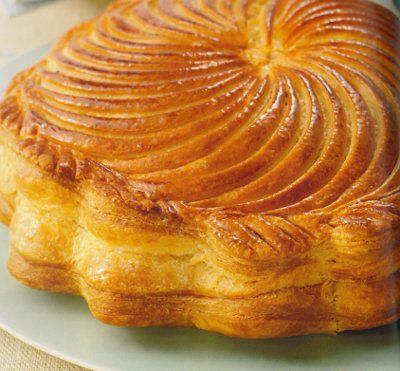
More like this

Croissants
Croissant dough is a laminated dough that requires patience and precise technique to achieve its characteristic flaky layers. The interplay between enriched dough and butter layers, combined with careful folding and resting, creates the golden, buttery texture that defines a perfect croissant. This dough demands attention to temperature control and timing throughout its preparation.
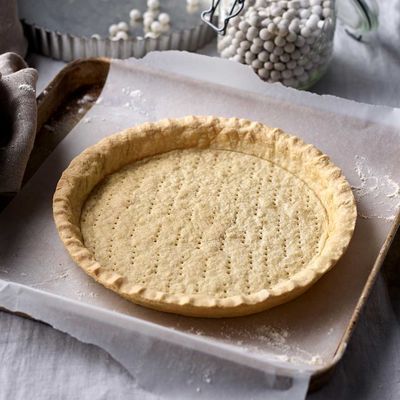
Pâte Brisée (Shortcrust)
Pâte brisée is a classic French shortcrust pastry that serves as the foundation for elegant tarts and tartlets. Its tender, crumbly texture and neutral flavor provide a perfect base that complements both sweet and savory fillings without competing. The simple technique of rubbing fat into flour creates its characteristic short, delicate crumb.
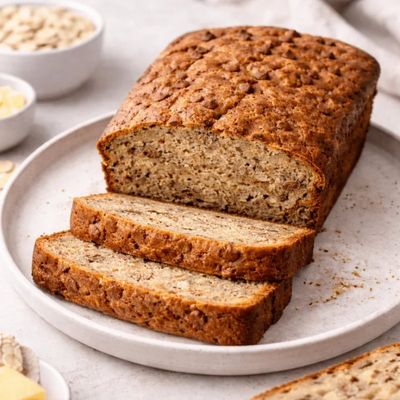
Banana Bread
Wet ingredients (mashed banana, eggs, melted butter, sugar, vanilla) mix in one bowl. Dry (flour, baking powder, soda, cinnamon, salt) join in. Walnuts fold through. Pours into a loaf tin; bakes for 55 minutes. Cools (with patience) on a wire rack before slicing.
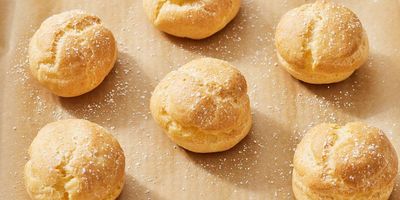
Pâte à Choux (Choux Pastry)
Pâte à choux is a unique pastry made without fat in the dough itself, relying instead on steam for leavening to create light, hollow shells. Its versatility allows it to be piped into countless shapes for both sweet and savory preparations. The characteristic crispy exterior and hollow interior make it an essential technique in pastry work. IMPORTANT: The 'drying out' stage is critical for success.