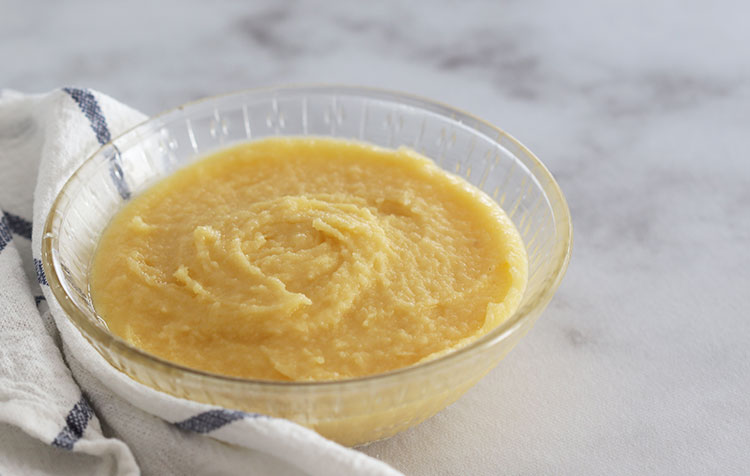
Crème d'Amande
An almond-based cream with a delicate, nutty flavor and a slightly creamy texture.
Overview
Crème d'amande is a smooth, nutty cream that showcases the natural flavors of ground almonds combined with butter and eggs. This versatile cream provides richness and subtle almond undertones to pastries and tarts. Its straightforward preparation and elegant flavor make it a valued component in both classic and contemporary pastry work.
Ingredients
- 250 grams butter
- 500 grams Tant pour tant
- 50 grams flour
- 5 eggs
- 50 ml rum (optional)
Method
- Work the butter with the beater or spatula until very soft.
- Still beating, work in the tant pour tant and the flour, then the eggs one by one, beating between each addition.
- The mixture should be light and homogeneous.
- Stir in the rum.
Notes
- Soften the butter thoroughly before beginning; it should be spreadable but not melted or oily
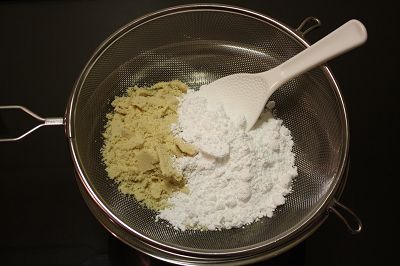
- Tant pour tant (equal parts ground almonds and powdered sugar) should be sifted to remove lumps for a smooth, even texture
- Add eggs one at a time to ensure they are fully incorporated; this prevents the mixture from becoming grainy
- The optional rum adds depth; other liqueurs such as Grand Marnier or Kirsch offer interesting flavor variations
Serving
Use crème d'amande as a filling for flan cases, as a base for tarts, or piped into decorative patterns. Often topped with sliced almonds, fresh fruit, or candied peel. Pairs beautifully with both light and rich desserts.
Storage
Refrigerate in an airtight container for up to 4 days. The cream can be frozen for up to 1 month; thaw at room temperature and re-beat briefly if the texture appears separated. Bring to room temperature for 30 minutes before piping or spreading.
More like this
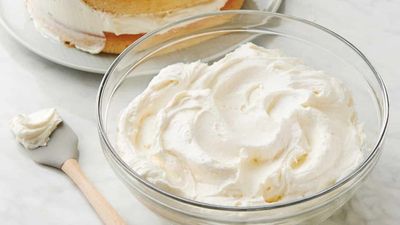
Crème au Beurre
Crème au beurre is an elegant butter-based cream that combines the lightness of Italian meringue with rich, creamy butter. This sophisticated filling is versatile enough for both classic and contemporary desserts, offering a perfect balance of richness and delicacy. The velvety texture and subtle sweetness make it ideal for layering between cake layers or piping into decorative borders.

Croissants
Croissant dough is a laminated dough that requires patience and precise technique to achieve its characteristic flaky layers. The interplay between enriched dough and butter layers, combined with careful folding and resting, creates the golden, buttery texture that defines a perfect croissant. This dough demands attention to temperature control and timing throughout its preparation.
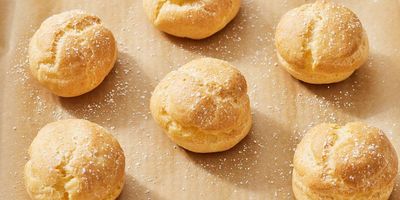
Pâte à Choux (Choux Pastry)
Pâte à choux is a unique pastry made without fat in the dough itself, relying instead on steam for leavening to create light, hollow shells. Its versatility allows it to be piped into countless shapes for both sweet and savory preparations. The characteristic crispy exterior and hollow interior make it an essential technique in pastry work. IMPORTANT: The 'drying out' stage is critical for success.
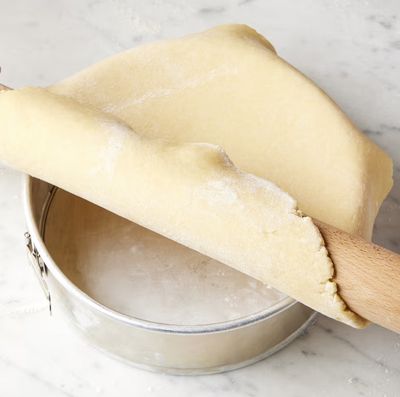
Pâté à Foncer (Flan Pastry)
Pâté à foncer is a tender, crumbly pastry traditionally used as the base for flans and tartlets. Its delicate texture and neutral flavor provide an elegant foundation that doesn't compete with fillings. The technique of rubbing fat into flour by hand creates the characteristic short, crumbly texture that distinguishes this pastry.