Aloo Posto
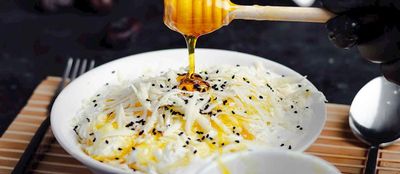
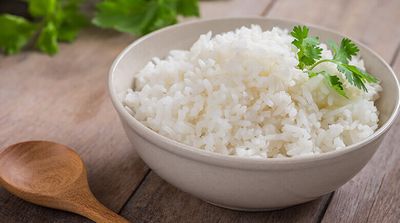
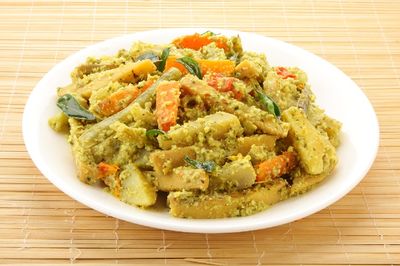
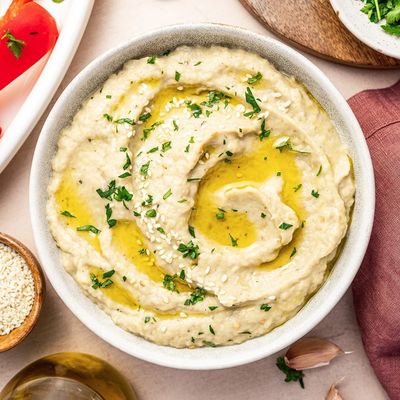
Aloo posto is the dish that Bengalis abroad miss most. Posto, white poppy seed, is so essential to the cuisine of West Bengal that there are entire menus built around it: aloo posto, posto bora (poppyseed fritters), jhinge posto, even ilish posto with hilsa fish. The seeds are soaked, ground to a fine, creamy paste, and cooked just enough to lose their raw note while keeping their pale colour and nutty perfume. This is one of the simplest preparations in the repertoire, and yet a much-debated one: how fine should the paste be (very fine), should onion be added (in West Bengal generally not, in Bangladeshi versions sometimes yes), how much green chilli is right (one or two slit, not pounded), and crucially, what oil (always mustard, always heated to smoke point first). The tempering is austere: just kalo jeere (nigella seeds) and a slit chilli. There is no garam masala, no cumin, no turmeric. The dish is meant to be quiet, almost pale, eaten with a small mound of plain rice and a dollop of ghee on a hot Kolkata afternoon. It is technically a side dish but in a traditional Bengali thali order it is often served as a course on its own, between the leafy greens and the dal, before the fish curry arrives. For a home cook the only real challenge is grinding the posto fine enough; a small spice grinder or wet-dry blender does the job perfectly.